

Is Six Months Still the Right Answer?
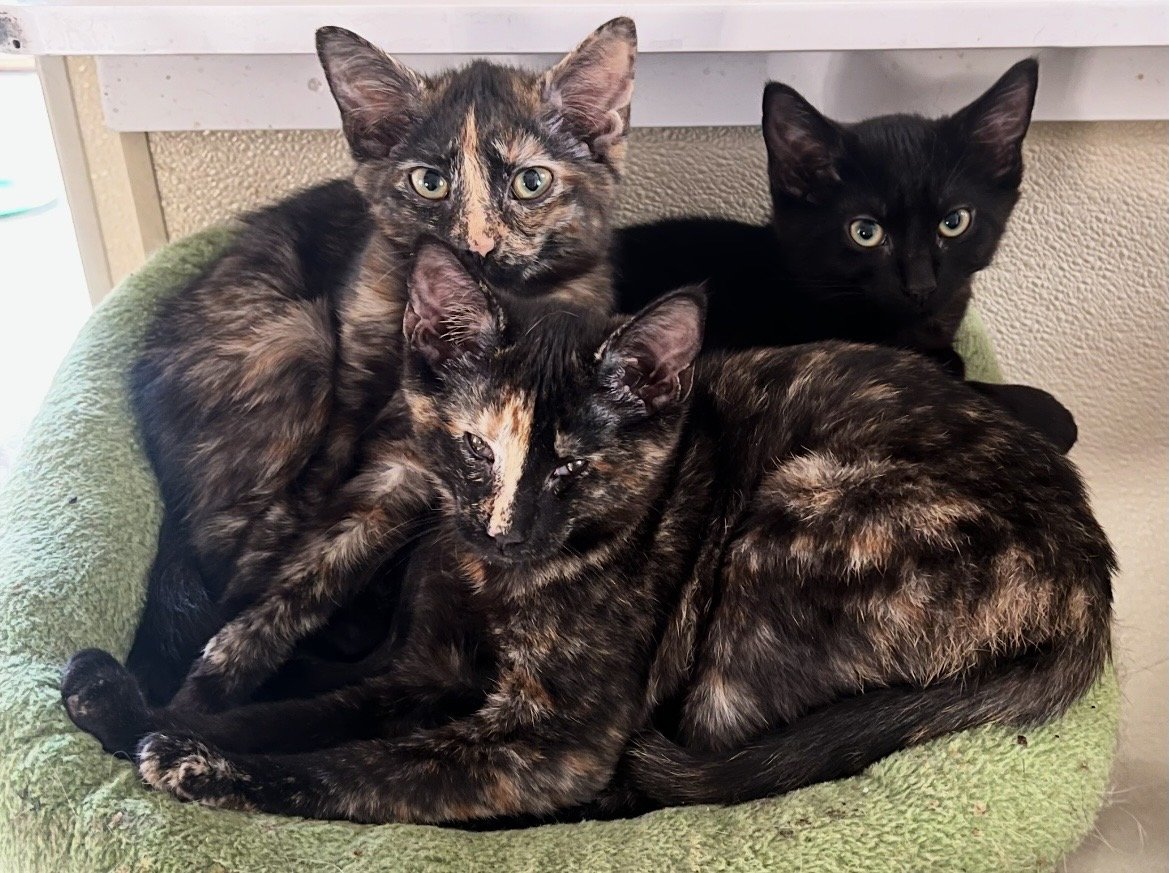

There is a sentence heard all the time when puppies and kittens are young:
“We’re going to get her spayed. She’s just too young right now.”
Or:
“We’ll have him neutered when he’s six months old.”
The intention is good. The appointment is going to happen.
Eventually.
But when it comes to preventing unwanted litters, eventually can sometimes be too late.
Puppies and kittens don't read calendars. Their bodies don't know that we planned to make the appointment next month. And sexual maturity doesn't always arrive on the schedule people expect.
That is why pediatric and early-age spay/neuter deserves another conversation.
Not because it is new.
Because unwanted litters are still being born.
The Window We Don't Talk About Enough
For decades, many pet owners were accustomed to hearing that dogs and cats should be spayed or neutered at about six months of age.
But reproductive maturity doesn't flip on like a switch precisely at six months.
Some animals can become capable of reproducing earlier than people realize.
And that creates a dangerous little window:
Old enough to reproduce.
Not yet spayed or neutered.
All it takes is one escaped dog.
One intact male in the neighborhood.
One indoor cat slipping through a door.
One brother and sister kitten reaching maturity while still living together.
One assumption that surely they're still too young.
And suddenly, the appointment that was supposed to prevent a litter becomes an appointment made after a pregnancy has already occurred.
Pediatric Doesn't Mean “Too Young”
The word pediatric can sound alarming.
We associate it with tiny babies, and it is understandable that someone might hear “pediatric spay/neuter” and immediately wonder:
Is that really safe?
Early-age spay/neuter has been used for decades, particularly in shelters and rescue organizations. Healthy puppies and kittens who meet appropriate veterinary criteria can be sterilized well before the traditional six-month mark.
The American Veterinary Medical Association supports pediatric spay/neuter in dogs and cats as a tool for reducing unwanted animals while emphasizing that the appropriate timing for an individual animal should be determined using veterinary judgment and discussion with the owner.
And that last part matters.
Early doesn't mean arbitrary.
Age isn't the only consideration. Health, weight, development, breed and individual circumstances matter, too.
The goal isn't to put every puppy and kitten on an identical surgical timetable.
The goal is to stop assuming that six months is automatically the starting line for the conversation.
Cats: Five Months Matters
Cats deserve special attention because they can become reproductively active remarkably young.
That is why the Feline Fix by Five initiative encourages sterilizing cats by five months of age.
The idea is beautifully simple:
Fix them before they can reproduce.
Waiting until six months may leave some cats with enough time to experience their first heat or even become pregnant.
And cats are extraordinarily efficient at making more cats.
An accidental litter doesn't have to happen outdoors or involve a feral cat. It can happen in a perfectly loving home because two young cats reached sexual maturity before their family realized it was possible.
What About Dogs?
Dogs are more complicated.
There isn't one perfect age that applies to every dog.
Breed, expected adult size, sex, health, lifestyle and other factors can influence the veterinarian's recommendation about the best time to spay or neuter an individual dog.
That is especially important because research continues to examine how sterilization timing may affect certain health outcomes in particular breeds and sizes of dogs.
But individualized timing shouldn't become another way of saying:
“We'll worry about it later.”
Instead, it should mean having the conversation with your veterinarian early, while your dog is still a puppy.
Ask:
When should this particular dog be spayed or neutered, and why?
Then make a plan.
Because whatever age is ultimately chosen, preventing an unintended litter still matters.
Shelters Learned This Lesson the Hard Way
Animal shelters and rescues have an especially compelling reason to use pediatric spay/neuter.
For years, organizations sometimes adopted young animals with agreements, vouchers or deposits requiring the adopter to return later for surgery.
The problem was simple:
Not everyone came back.
Life happened.
People forgot.
Appointments were postponed.
Animals changed homes.
And sometimes an animal reproduced before the surgery ever happened.
That is why many shelters adopted a much simpler philosophy:
Spay or neuter before adoption whenever medically appropriate.
A puppy or kitten leaving already sterilized doesn't depend upon a promise being kept months later.
There is no follow-up appointment to forget.
There is no accidental litter in the meantime.
The reproductive cycle stops with that animal.
One Surgery Prevents More Than One Pregnancy
This is where pediatric spay/neuter becomes much bigger than an individual puppy or kitten.
When we prevent one litter, we aren't simply preventing several puppies or kittens from being born today.
We are preventing the reproductive potential of that litter.
And the litters that could have come from those animals.
And the generations after them.
There is also a very practical reality: it is far easier and less expensive to spay one female than to provide food, veterinary care, vaccinations, deworming and eventually spay/neuter surgeries for an entire litter.
One surgery today can prevent a much larger financial and caregiving burden tomorrow.
That matters in a country where shelters and rescues are already trying desperately to find homes for the animals who are here.
Spay/neuter is unusual in animal welfare because it allows us to solve a problem before there is an animal who needs rescuing.
No foster home required.
No kennel needed.
No adoption event.
No emergency fundraiser.
No heartbreaking decision about which animal gets the last available space.
Just prevention.
Maybe the Question Should Change
Instead of asking:
“Isn't my puppy or kitten too young to be fixed?”
Perhaps the better question is:
“Could my puppy or kitten become capable of reproducing before the age I'm planning to have them fixed?”
That's a conversation worth having with your veterinarian.
Because the objective isn't simply to spay and neuter animals.
It's to do it before an unintended litter has the opportunity to happen.
Need Help Paying for Spay or Neuter?
Cost can be a very real barrier, but don't assume there is no help available.
Call your municipality and ask what they are doing to help residents spay and neuter their pets. Some communities, shelters, humane organizations and other local programs offer vouchers, reduced-cost clinics or other financial assistance.
If your municipality doesn't offer anything, ask why not. Pet overpopulation is a community problem, and prevention is one of the most effective ways a community can address it.
A few phone calls may uncover resources you didn't know existed. And asking the question also lets local leaders know that affordable spay/neuter matters to the people they serve.
Want to Learn More?
Don't just take our word for it.
The American Veterinary Medical Association (AVMA) provides information for pet owners about spaying and neutering and supports pediatric spay/neuter as one tool for reducing the number of unwanted dogs and cats.
The Association of Shelter Veterinarians (ASV) provides evidence-based information and resources related to shelter medicine and spay/neuter programs.
For cats specifically, Feline Fix by Five is a national initiative encouraging cat owners and veterinary professionals to have cats spayed or neutered by five months of age.
And if you'd like to dig more deeply into the research behind pediatric spay/neuter, visit our earlier PennyFix article:
“Too Young? Think Again: The Science Behind Pediatric Spay/Neuter.”
The Bottom Line
There will always be puppies and kittens we wish we could save.
There will always be animals who need rescue, shelter, veterinary care and loving homes.
But there is another group we rarely think about:
The ones who never have to need saving.
The litter that was never born beneath a porch.
The puppies who never entered an overcrowded shelter.
The kittens who never needed bottle feeding because their mother was still practically a kitten herself.
The animals who never became homeless because someone acted before reproduction began.
That's what early spay and neuter can accomplish.
Sometimes the most compassionate rescue is the one that never has to happen.
As always, decisions about the appropriate timing of spay/neuter for an individual dog or cat should be made with a veterinarian who can consider that animal's health, breed, size, age and individual circumstances.
