

Just One Litter?
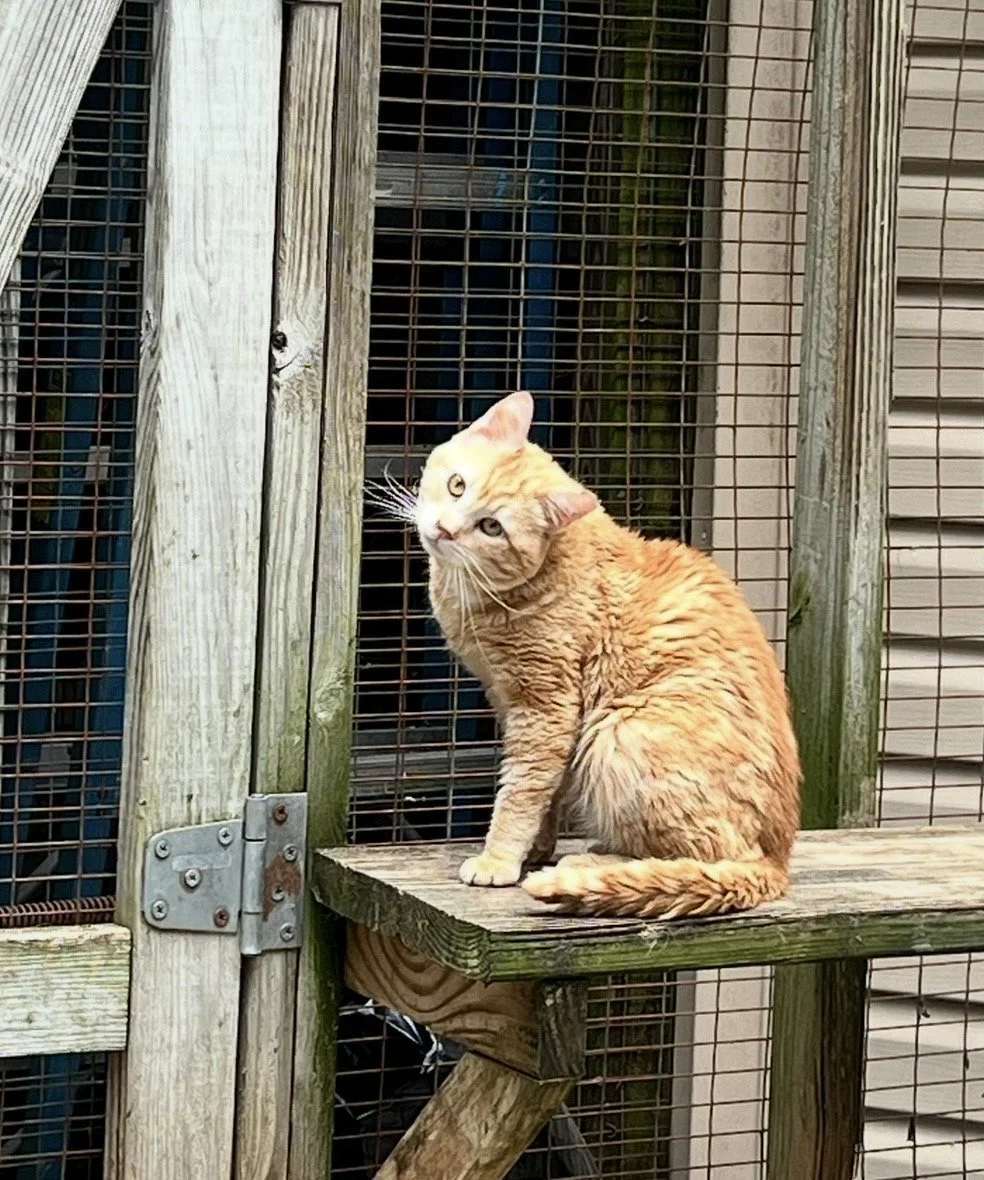
"We're only going to let her have one litter."
It's a phrase heard every day in veterinary offices, shelters, rescues, and animal control departments across the country.
Sometimes the reason is emotional.
"We want the kids to experience puppies."
"We want one of her babies before we spay her."
"She deserves to be a mother."
Other times, the motivation is financial.
"Purebred puppies sell for a lot of money."
"We can make some extra cash."
"People are already asking for kittens."
At first glance, breeding a beloved pet may seem harmless. It may even seem profitable.
Unfortunately, reality is often very different.
Pregnancy Is Not Risk-Free
Many people assume dogs and cats naturally give birth without complications.
Sometimes they do.
Sometimes they don't.
Pregnancy and delivery carry real medical risks, including:
Emergency C-sections
Retained puppies or kittens
Difficult labor
Severe bleeding
Infections
Eclampsia (dangerously low calcium levels)
Mastitis (infection of the mammary glands)
Death of the mother
Death of some or all of the litter
An emergency veterinary visit can easily cost hundreds or even thousands of dollars.
One emergency C-section alone can cost more than many families expected to earn from the entire litter.
Suddenly, that "money-making opportunity" becomes a financial crisis.
What If They Don't Sell?
Many people begin breeding with confidence.
"We already have homes lined up."
Then reality arrives.
People change their minds.
Someone moves.
Someone loses a job.
Someone decides they don't actually want a puppy.
Someone realizes veterinary care is expensive.
Now what?
The puppies or kittens still need:
Food
Vaccinations
Deworming
Veterinary care
Time
Space
Cleaning supplies
And if they don't find homes quickly, those expenses continue to grow.
The breeder becomes responsible for every single animal produced.
There is another reality that many first-time breeders never consider.
Every breed already has dogs and cats waiting for homes.
From Labrador Retrievers to German Shepherds, Maine Coons to Persians, there are breed-specific rescues across the country dedicated to helping purebred animals that have been surrendered, abandoned, neglected, or displaced through no fault of their own.
Many people are surprised to learn how many purebred animals end up in rescue. Some were purchased by owners who were unprepared for the commitment. Some were surrendered due to financial hardship, housing issues, or family changes. Others came from breeding situations where more animals were produced than there were homes available.
The idea that someone must create a new litter in order for people to own a purebred dog or cat simply isn't true.
For nearly every breed imaginable, there are already animals waiting for a second chance.
Responsible Breeding Is Expensive
Professional ethical breeders spend significant amounts of money trying to improve the health and quality of their breed.
They invest in:
Genetic testing
Health screenings
Veterinary examinations
Quality nutrition
Emergency care funds
Proper housing
Socialization
Contracts and support for adopters
Many responsible breeders will tell you the same thing:
They are not getting rich.
In fact, many barely break even.
The people making money are often the ones cutting corners, producing more animals than they can responsibly care for, and contributing to the very overpopulation problem rescues are trying to solve.
The Myth of "One Litter"
One of the most persistent myths is that female dogs and cats should have one litter before being spayed.
There is no medical requirement for a female dog or cat to have a litter.
None.
She does not need to experience motherhood.
She does not feel incomplete.
She is not dreaming of having babies.
Animals do not view reproduction through the same emotional lens that humans do.
In fact, spaying before repeated heat cycles can significantly reduce the risk of certain diseases, including mammary cancer and life-threatening uterine infections.
What About Male Dogs and Cats?
The same logic applies.
Some owners believe a male should father at least one litter before being neutered.
Why?
Usually because it feels unfair.
Because he is a beautiful dog.
Because he has a great temperament.
Because someone says he would make good puppies.
But every litter requires homes.
Every puppy or kitten produced by one intact animal is competing for homes with animals already waiting in shelters and rescues.
The question isn't whether a male dog can produce puppies.
The question is whether producing more puppies helps solve the problem or makes it worse.
There are also behavioral considerations that many owners overlook.
As male dogs and cats reach sexual maturity, hormone-driven behaviors can become more pronounced. Intact males are more likely to roam in search of females, engage in territorial behaviors, mark their territory, and become involved in fights with other animals.
In cats especially, urine spraying can become a significant issue. Once spraying behavior becomes established, it can be much more difficult to eliminate completely, even after neutering.
While neutering is not a cure-all for every behavior problem, preventing hormone-driven behaviors before they become deeply ingrained is often far easier than trying to correct them later.
Allowing a male animal to remain intact long enough to breed may create challenges that neither the owner nor the animal would otherwise have faced.
The Ethical Question
There is also a question worth asking ourselves.
Should living animals be viewed as a source of income?
Most pet owners would never describe their dog or cat as a product.
They are family members.
They are companions.
They are loved.
Yet the moment breeding becomes a money-making venture, animals can begin to be viewed differently.
The focus shifts from the welfare of the animal to the value of the litter.
Not everyone who breeds intends for that to happen.
But it is a slippery slope.
The most ethical question may not be, "How much can I make?"
It may be:
"Should I create more animals when so many already need homes?"
Before creating a new litter, it is worth remembering that somewhere, right now, a puppy, kitten, purebred dog, purebred cat, senior pet, or special-needs animal is waiting in a shelter or rescue for the home that may instead go to an animal that has not yet been born.
Prevention Is Cheaper Than Regret
A spay or neuter surgery is predictable.
The cost is known.
The outcome is expected.
An accidental or intentional litter is unpredictable.
Complications happen.
Unexpected expenses happen.
Unsold puppies and kittens happen.
Emergency surgeries happen.
Heartbreak happens.
At PennyFix, we believe prevention is the kinder choice.
Not because puppies and kittens aren't wonderful.
They are.
But because every litter carries risks, costs, and consequences that many owners never see coming.
Spay and neuter protects pets, reduces suffering, prevents unwanted litters, and helps create a future where fewer dogs and cats end up abandoned, surrendered, or homeless.
The most profitable litter is often the one that never happens.
The most compassionate choice is prevention.
