

Staying Safe While Showing Compassion
It starts with a moment most animal lovers know well—you see a thin dog wandering alone, or a wary cat watching from a distance. Your instinct is to help. And that instinct is a beautiful thing.
At PennyFix, we believe compassion is powerful. But when it comes to stray or feral animals, compassion must be paired with caution. Protecting yourself ensures you can continue helping animals in the long run.
Not Every Animal Wants to Be Touched
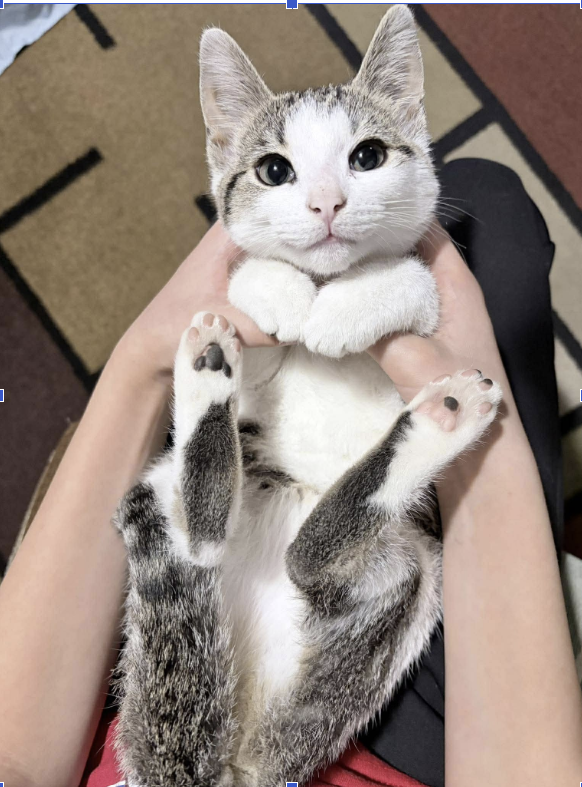
Even if an animal looks calm—or even friendly—fear can change everything.
Do not approach too quickly. Sudden movements can trigger panic or aggression.
Avoid reaching out to pet unfamiliar animals. A bite or scratch can happen in seconds.
Teach children never to approach stray animals.
Stray and feral animals are often in survival mode. Giving them space is one of the safest and kindest things you can do.
Health Risks You Shouldn’t Overlook
Direct contact with unknown animals carries real risks:
Rabies: Rare, but deadly. Spread through bites or saliva.
Cat Scratch Fever: Transmitted through scratches from infected cats.
Leptospirosis: Often associated with dogs, spread through contaminated water or urine.
Parasites: Fleas and ticks can carry additional illnesses.
Ringworm: A highly contagious skin infection.
Rule of thumb: If you don’t know the animal, don’t touch the animal—until you’re prepared to do so safely.
How to Help—Safely
You can still make a difference without putting yourself at risk:
Observe from a distance. Take note of the animal’s condition and behavior.
Provide food and water carefully. Place it down and step away—don’t hand-feed.
Avoid cornering or chasing the animal. This increases fear and danger.
Contact local animal control or a rescue organization if the animal appears injured or in distress.
Keep your own pets away to prevent fights or disease transmission.
Be Ready to Help: Simple Tools That Make a Big Difference

Helping a stray animal safely often comes down to preparation. Keeping a few basic items in your car can turn a risky situation into a controlled, compassionate rescue.
Consider keeping a small “rescue kit” that includes:
A pet carrier: A safe, enclosed space to transport an animal once secured
A blanket or towel: Helps calm frightened animals and can be used as a barrier if needed
A slip leash: Essential for safely securing dogs without putting your hands near their mouth
Disposable gloves: Protects you from bites, scratches, and disease exposure
Leather bite gloves (if available): Extra protection when handling scared or reactive animals
The best part? These items can all fit neatly inside the pet carrier, ready whenever you need them.
Being prepared doesn’t mean putting yourself in danger it means giving yourself the tools to step in safely when the moment calls for it.
Yes, You Can Help—Just Do It Safely
We never want to discourage helping. Many stray animals are saved because someone chose to act.
But safe rescue matters:
Move slowly and speak calmly
Use tools (like a leash or blanket) instead of your hands when possible
Watch body language carefully—growling, hissing, or stiff posture are warning signs
If the situation feels unsafe, step back and call for help
Helping isn’t about rushing in. It’s about making smart, safe choices that protect both you and the animal.
Protecting Your Pets and Family
Stray and feral animals can unintentionally put your household at risk:
Keep vaccinations up to date for your pets.
Avoid letting pets interact with strays.
Wash hands after any outdoor interaction involving animals or feeding areas.
Supervise children outdoors, especially in areas where strays are known to roam.
Common Mistakes That Can Turn Dangerous
Even with the best intentions, these actions can lead to harm:
Trying to pick up an unfamiliar animal too quickly
Feeding by hand or attempting to gain trust without protection
Bringing a stray animal directly into your home without precautions
Ignoring warning signs like growling, hissing, or fearful behavior
Helping should never come at the cost of safety.
Real Help Goes Beyond the Moment
While offering food or water can help in the short term, the long-term solution is prevention.
That’s where PennyFix comes in.
By supporting spay and neuter programs, we reduce the number of animals living on the streets. Preventing suffering before it starts. Fewer stray animals means fewer dangerous encounters for people, and better lives for animals.
🐶🐱 Be Part of a Safer, More Compassionate Future
You don’t have to put yourself at risk to make a difference.
Support humane solutions. Donate. Share. Advocate.
Because when we prevent overpopulation, we protect both animals and the communities around them.
Together, we can create a world where fewer animals are left to fend for themselves and fewer people are put in harm’s way trying to help.
