

Are You Smarter Than a High Schooler… About Animal Welfare?
Recently, a few of our PennyFix board members had the chance to speak with a group of high school students about animal welfare. We decided to make it interactive, turning the session into a quiz game that covered topics like spaying and neutering, pet overpopulation, and even some fun animal facts.
The result?
The kids were curious and engaged. However, many of the questions stumped them. And to be honest… some of the adults in the room didn’t fare much better.
That got us thinking: If most people don’t know the basic facts about animal welfare, how can we expect to make meaningful progress? How can we end the cycle of overpopulation, reduce animal suffering, and promote responsible pet ownership if the problems themselves aren’t widely understood?
That’s where you come in.
We’re inviting you to take the same quiz we gave the students and to challenge your friends, family, and co-workers to do the same. Because awareness is the first step toward action. And when we know better, we do better — for the animals who depend on us.
So, let’s see how you do. 🐶🐱🐹
Answers are at the bottom. No peeking!
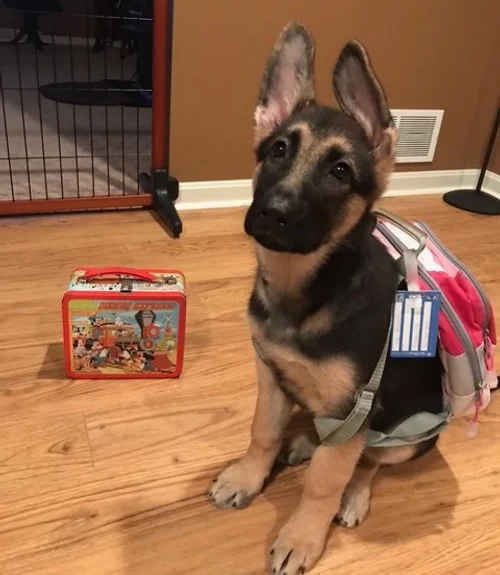
The PennyFix Animal Welfare Pop Quiz
What is responsible breeding?
What is accidental breeding?
What is the difference between spaying and neutering?
How does spaying and neutering benefit pets?
What is animal testing?
Why is animal testing controversial?
What does “cruelty-free” mean?
What is one alternative to animal testing?
About how many chinchillas are needed to make one fur-lined coat?
What is pet overpopulation?
Why do shelters become overcrowded?
What is puppy or kitten mill breeding?
How many hours a day do cats usually sleep?
What animal has a nose print as unique as a human fingerprint?
What animal takes a dust bath to keep its fur clean?
What animal can hear sounds humans cannot?
Bonus Question:
What’s the difference between an opossum and a possum?
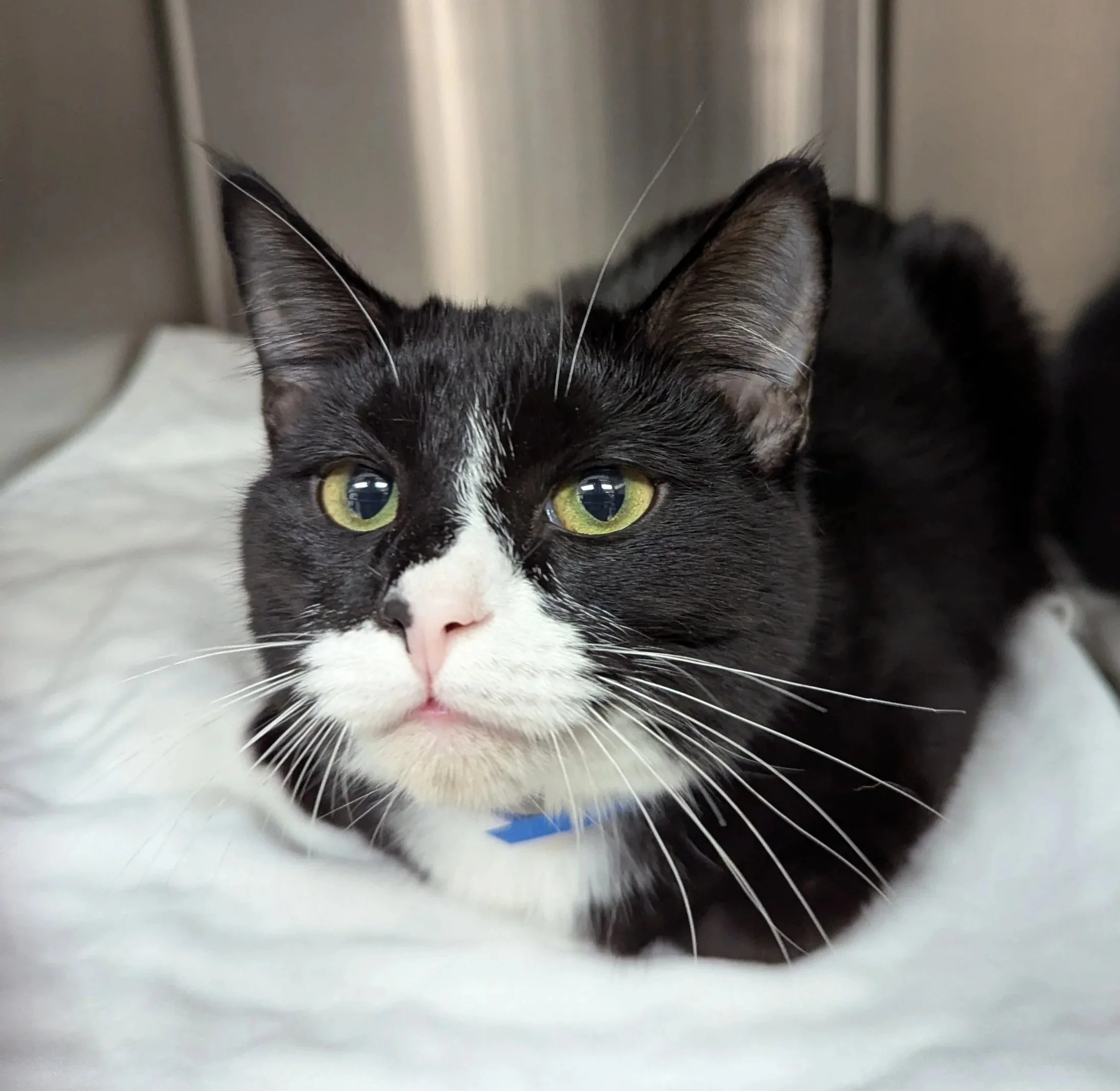
Answers
Responsible breeding means breeding animals only after proper health and genetic testing.
Accidental breeding is when unplanned litters occur from unfixed pets.
Spaying is for females; neutering is for males.
Spaying/neutering helps reduce pet overpopulation, improves health, and can reduce problem behaviors.
Animal testing involves using animals to test products, chemicals, or medicines.
It’s controversial because it can cause pain, stress, and harm to animals.
Cruelty-free means the product was not tested on animals.
Alternatives include lab-grown cells, computer models, or human volunteers.
Over 100 chinchillas are needed to make one fur-lined coat.
Pet overpopulation means there are more pets than available homes.
Shelters become overcrowded due to too many unplanned litters.
Puppy or kitten mills breed animals for profit with poor care and living conditions.
Cats sleep about 16–18 hours a day.
A dog has a nose print as unique as a human fingerprint.
Chinchillas take dust baths to keep their fur clean.
Both cats and dogs can hear sounds humans cannot.
Bonus:
An opossum is a North American marsupial with a pointed snout and bare tail.
A possum is a marsupial from Australia/New Guinea with a furry tail and rounder face.
Your Score Doesn’t Matter
But Your Action Does
Whether you got 3 right or 16, what really matters is what you do next.
Because every time you share what you’ve learned, speak up for animals, or support spay and neuter programs, you help prevent suffering before it starts.
At PennyFix, we’re on a mission to fund free spay and neuter programs through creative solutions; like adding just one penny to each can of pet food sold or donating just one penny a day. That small change can generate massive impact in reducing unwanted litters, easing shelter overcrowding, and giving animals a healthier, safer life.
Help spread awareness. Teach your kids. Talk to your vet. Tell a neighbor. Share this quiz.
And if you can, consider donating to support our mission.
Because one penny can change the future.
🐾 Together, we can fix this — one pet at a time.
