

Busting the Top 10 Myths About Spay/Neuter in 2026
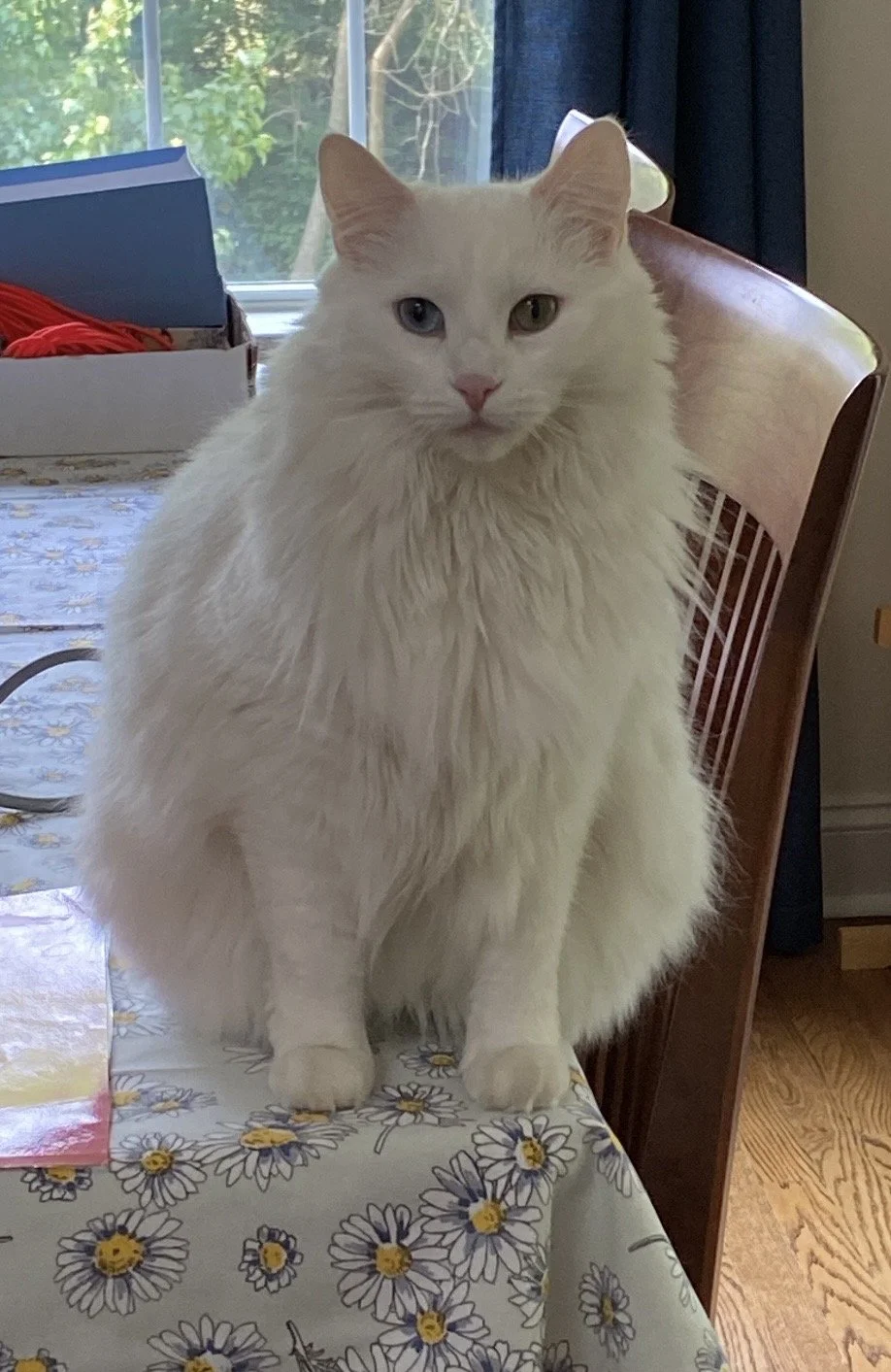
What every pet lover (and future pet parent) needs to know
Spaying and neutering our pets is one of the most compassionate, effective, and responsible choices we can make — for them, for our communities, and for the millions of dogs and cats who still face homelessness every year.
But even in 2026, myths and misunderstandings continue to swirl around this simple procedure. At PennyFix, we believe knowledge is power — and that debunking false beliefs can save lives.
Let’s bust the 10 biggest myths we still hear about spay and neuter.
🐾 MYTH #1:
“My pet will get fat if I spay/neuter them.”
Truth: Weight gain comes from overfeeding and under-exercising — not sterilization.
Spayed/neutered pets may have a slightly reduced metabolism, but with proper diet and playtime, they stay healthy and fit. Sterilized pets often live longer, healthier lives!
🐾 MYTH #2:
“One litter won’t hurt.”
Truth: One litter adds to the crisis.
Just one unspayed cat and her kittens can lead to over 400,000 cats in seven years. One dog litter can mean dozens more over generations. Even one extra litter puts pressure on shelters and rescues.
🐾 MYTH #3:
“It’s better if she has one heat/litter first.”
Truth: There’s no medical or emotional benefit to waiting.
In fact, spaying before the first heat (usually around 5-6 months) reduces the risk of mammary cancer by up to 90% and eliminates the risk of pyometra, a life-threatening uterine infection.
🐾 MYTH #4:
“It’ll change my pet’s personality.”
Truth: Your pet is still your pet — just without the roaming urges and mating behaviors.
Spaying/neutering doesn’t change your pet’s love, loyalty, or quirks. It often reduces aggression, yowling, marking, and escape attempts — making pets happier at home.
🐾 MYTH #5:
“Neutering a male pet is cruel.”
Truth: What’s cruel is unwanted litters, hormone-driven stress, and homelessness.
Neutering is a routine, low-risk procedure that can dramatically improve your pet’s quality of life — and reduces behaviors that can put them in danger, like fighting or wandering.
🐾 MYTH #6:
“Spay/neuter is too expensive.”
Truth: There are affordable — even free — options.
Thanks to programs like PennyFix grants, low-cost clinics, and caring veterinarians, financial help is out there. For many, the cost of not spaying/neutering (emergency births, injuries, or abandoned litters) is far higher. Spay/neuter is a once and done surgery, so it doesn’t continue to accrue costs.
🐾 MYTH #7:
“My indoor pet doesn’t need it.”
Truth: Accidents happen — and hormones don’t take breaks.
Indoor pets escape. Visitors come. Hormonal behaviors like marking, spraying, or restlessness still occur inside. Sterilization helps prevent future stress for you and your pet.
🐾 MYTH #8:
“It’s not ‘natural.’”
Truth: Neither are cities full of suffering strays.
Dogs and cats reproduce at rates nature never designed for a world with no predators and plenty of trash. Compassionate care is natural — and that means preventing suffering through responsible choices.
🐾 MYTH #9:
“Only shelters or rescues need to worry about that.”
Truth: Every pet parent plays a role.
Spay/neuter isn’t just a shelter issue — it’s a community issue. Owned pets that aren’t sterilized can still contribute to accidental litters. Responsible ownership includes prevention.
🐾 MYTH #10:
“It won’t make a difference.”
Truth: Every surgery is a life saved.
Each pet fixed means fewer animals suffering, fewer euthanized in overcrowded shelters, and more room for adoptable pets to find loving homes. It all starts with one action.

💗 Let’s Change the Conversation
At PennyFix, we believe that spay/neuter is love in action.
And love means staying informed, spreading truth, and empowering each other to do better for our pets — and the ones still waiting for homes.
Share this post to help us bust the myths.
Donate a penny or more to fund lifesaving spay/neuter surgeries.
Join the movement that’s making compassion the norm — one pet at a time.
Together, we can rewrite the future for millions of animals. Let’s start with the truth.
