

Dear Municipalities: You’re Already Paying for It
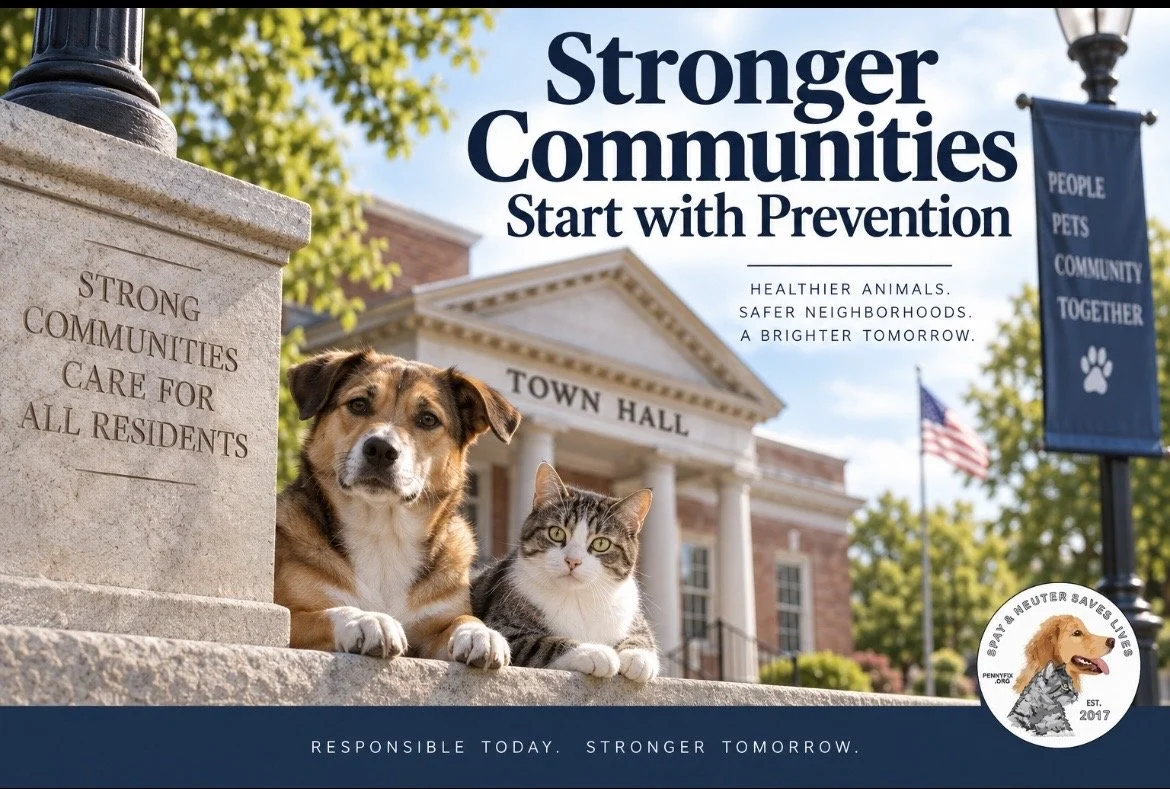
There is a common misconception about spay and neuter programs:
“We can’t afford that.”
But perhaps the better question is:
What are we already paying because we aren’t preventing the problem?
Every stray animal picked up by animal control costs something. Every dog transported to a shelter costs something. Every litter of kittens entering an already crowded shelter costs something. Every complaint requiring an animal control officer, police officer or other municipal employee to respond costs something.
Housing animals costs money. Feeding them costs money. Providing veterinary care costs money. Staffing shelters costs money. Contracting with shelters and animal control agencies costs money.
Whether those services are provided directly by a municipality or contracted to another organization, ultimately, someone is paying the bill.
Very often, that someone is the taxpayer.
And that is why spay and neuter isn't simply an animal-welfare issue.
It's a community issue, a municipal issue and a taxpayer issue.
You Don't Have to Be an “Animal Person” to Care
You don't have to love cats.
You don't have to own a dog.
You don't have to volunteer at a shelter, foster kittens or follow rescue pages on Facebook.
You pay taxes.
If your municipality can reduce the number of animals requiring animal control intervention, transportation, sheltering and other taxpayer-supported services, that matters to you too.
The goal isn't simply to spend more money on animals.
The goal is to spend less money repeatedly managing a preventable problem.
Money that doesn't have to be spent responding to preventable animal issues remains available for all the other services a municipality is responsible for providing.
That's why prevention deserves a place in municipal budgets and conversations.
Prevention Changes the Equation
Consider what happens when we wait.
Animals reproduce. Puppies and kittens are born. Some find homes. Others don't. Some become strays. Some are surrendered. Some enter shelters. Animal control responds to complaints. Shelters become crowded. Rescues are asked to take more animals.
Then everyone tries to figure out what to do with the animals who are already here.
And next breeding season, we begin again.
Spay and neuter allows us to intervene before the litter exists.
One surgery.
No litter.
No offspring from that animal going on to produce additional litters of their own.
That's where spay and neuter becomes more than an animal-welfare program.
It becomes population management.
And research suggests targeted programs can make a meaningful difference. One study examining community-cat programs at six municipal shelters found a median 32% reduction in feline shelter intake after programs combining targeted trap-neuter-vaccinate-return and return-to-field were implemented. Another targeted program in Florida reported a 66% decrease in shelter impoundment from the targeted area over two years.
Those aren't just animal numbers.
Fewer animals entering the system means fewer animals requiring the resources necessary to manage them.
Prevention Has a Cost. So Does Doing Nothing.
An eight-year study of a local-government-funded cat sterilization program offers an interesting example of the financial side of prevention.
As sterilization increased, cat intake, euthanasia and cat-related calls decreased. Researchers estimated approximately AU$440,660 in savings associated with reduced staff time, travel and shelter-related charges, compared with approximately AU$77,490 spent on sterilization.
That study was conducted in Australia, so those dollar figures shouldn't be dropped directly into the budget of an American borough, township or city.
But the principle deserves attention:
Doing something costs money. Doing nothing can cost money too.
Municipalities should be looking at both sides of that equation.
What About Community Cats?
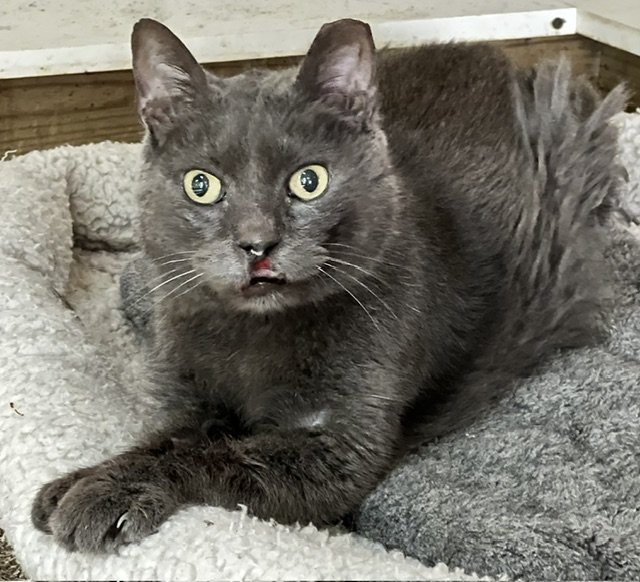
Community cats require a somewhat different approach.
Simply removing cats from an area doesn't necessarily address why cats were there in the first place. If food, shelter and other resources remain available, additional cats may eventually occupy the area. And if cats remaining in the population aren't sterilized, reproduction continues.
Targeted Trap-Neuter-Vaccinate-Return changes the objective.
Cats are sterilized so they cannot reproduce, vaccinated and returned to their established territory. Successful programs aim to stabilize and gradually reduce populations while preventing new litters.
Sterilization can also reduce mating-related behaviors that generate complaints, such as roaming, fighting, yowling and spraying.
And community cats can provide rodent deterrence simply through their presence, although that shouldn't be viewed as a substitute for proper pest-control practices.
The goal isn't unlimited numbers of outdoor cats.
The goal is fewer cats being born, fewer complaints and fewer animals entering shelters.
Dogs Belong in This Conversation Too
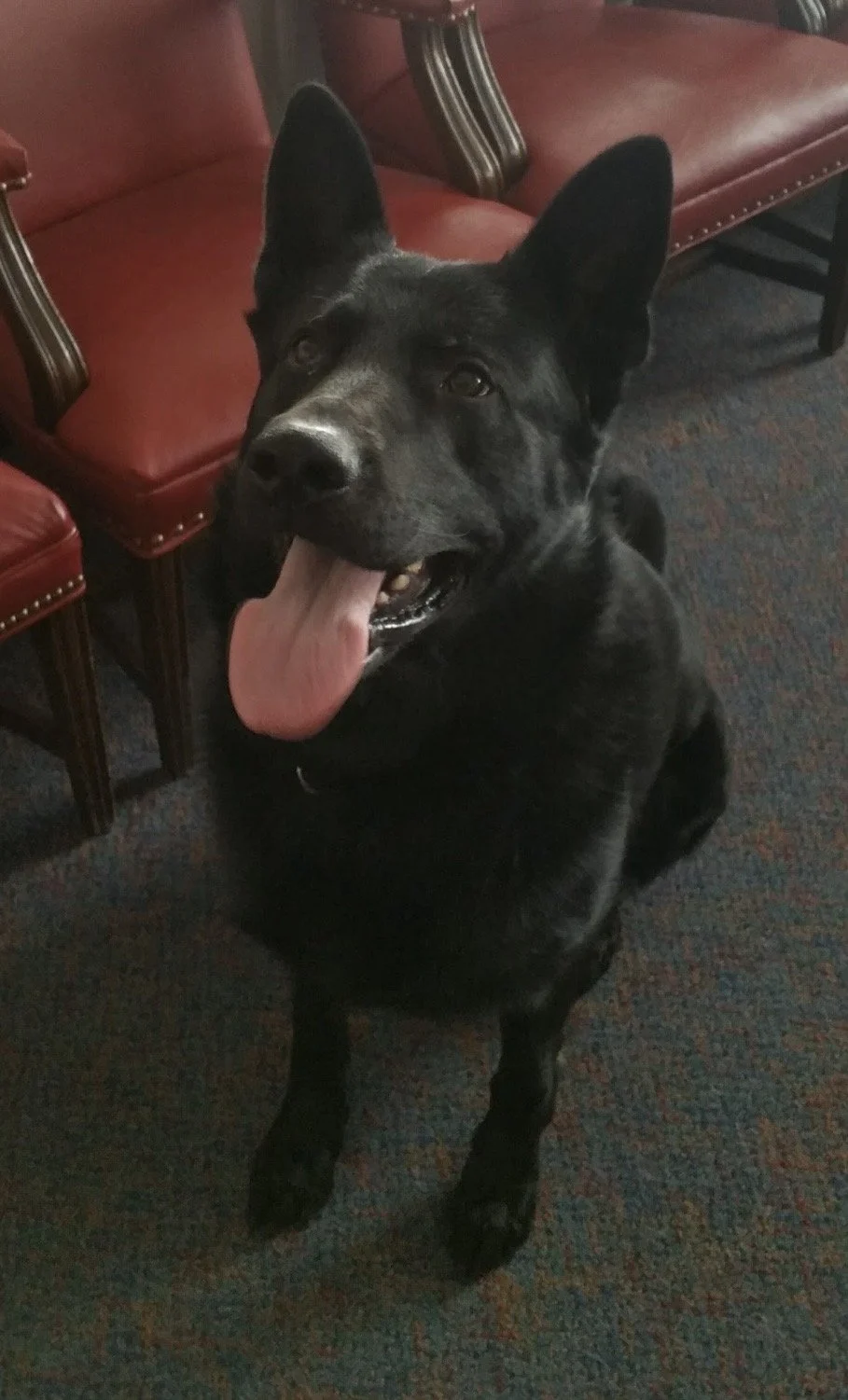
Community cats often dominate conversations about municipal spay/neuter policy, but prevention matters for dogs as well.
When an unwanted litter of puppies is born, some may find permanent homes.
Others may be given away, sold, surrendered or abandoned. Some may eventually become strays or enter the animal-control and shelter system.
Accessible spay and neuter gives communities an opportunity to intervene upstream rather than continually paying for consequences downstream.
The least expensive shelter space is the one an animal never needs.
What If a Municipality Isn't Addressing Animal Control at All?
Then this should be the starting point.
Residents should have somewhere to turn when they encounter an injured or suffering stray animal. They shouldn't be left wondering who to call when an unfamiliar dog repeatedly roams their neighborhood, when animals are fighting or breeding nearby, or when free-roaming animals are repeatedly getting into trash or using private property as a bathroom.
People shouldn't have to solve those situations themselves simply because no system exists to address them.
And again, you don't have to be an animal lover to want that.
Responsible animal control protects animals, residents, property and the community as a whole.
If a municipality currently has little or no plan for addressing stray and free-roaming animals, it has an opportunity to do something particularly smart:
Build prevention into the system from the beginning.
Establish a clear process for residents to report stray, injured or problematic animals. Develop relationships with animal control providers, shelters, rescues, veterinarians and spay/neuter organizations. And make sterilization part of the strategy so fewer animals ultimately require those services.
Because doing nothing doesn't eliminate the responsibility.
It simply shifts it to residents, volunteers, rescues, shelters and whoever happens to encounter the animal.
Municipalities Don't Have to Do It Alone
Supporting spay and neuter does not necessarily mean a municipality needs to build a veterinary clinic, hire veterinarians or create an enormous new government program.
Look at the resources already available.
Shelters. Rescues. Veterinary partners. TNR organizations. Spay/neuter clinics. Nonprofit organizations. Grant programs.
Partner with them.
Municipalities can help residents access existing services, support organizations already doing the work and include prevention when deciding how limited animal-control dollars should be spent.
Those organizations aren't simply helping animals.
They can be helping municipalities control future costs.
Ask Your Municipality
If you're an animal advocate, take this conversation to your borough, township, city or county.
Ask:
How much does our municipality spend each year on animal control and sheltering?
How many stray and surrendered animals from our community enter shelters each year?
What happens when a resident finds a stray or injured animal?
How much of our animal-related spending goes toward prevention rather than responding after a problem already exists?
Do we partner with organizations providing affordable or fully funded spay and neuter?
And perhaps the most important question:
Would investing in prevention today reduce what we're paying to manage the problem tomorrow?
Those aren't radical questions.
They're responsible community and budget questions.
This Is Where PennyFix Comes In
At PennyFix, our mission is prevention.
We raise money and award grants to nonprofit organizations so those organizations can fully fund spay/neuter surgeries and vaccinations for dogs and cats.
We aren't asking municipalities to solve animal overpopulation alone.
We're asking communities, businesses, nonprofits, municipalities and individuals to recognize something remarkably simple:
It costs money when animals reproduce.
The question is whether we invest resources in preventing unwanted litters or spend those resources later trying to manage the animals those litters become.
PennyFix believes prevention is the smarter investment.
For the animals.
For shelters and rescues.
For municipalities.
For communities.
And yes, even for the taxpayer who has never owned a pet in their life.
Because you don't have to be an animal person to believe that preventing a problem makes more sense than continually paying to manage it.
