

Free Kittens and Puppies Make More Kittens and Puppies
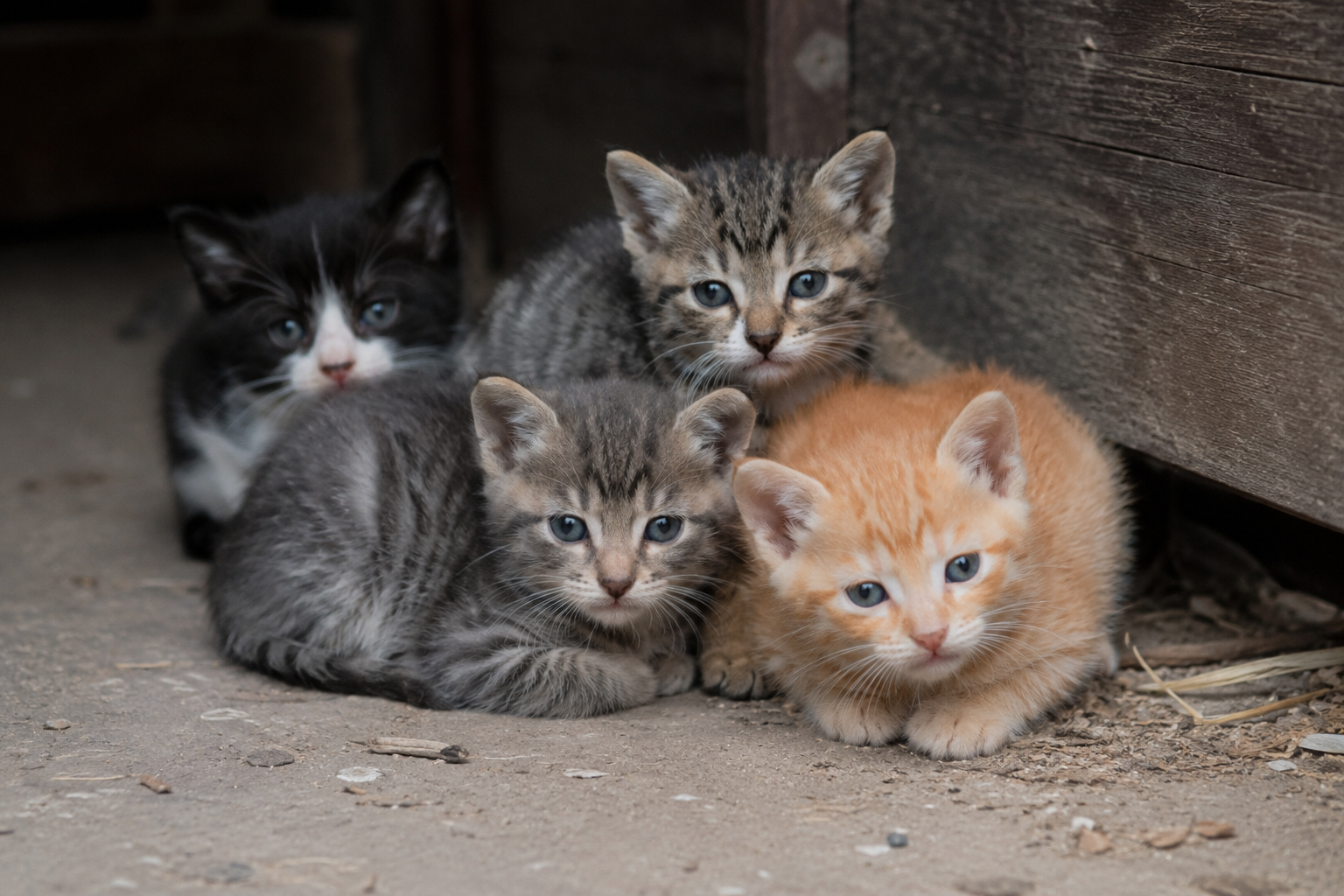
Every spring and summer, social media fills with posts that seem harmless:
“Free kittens to good home.”
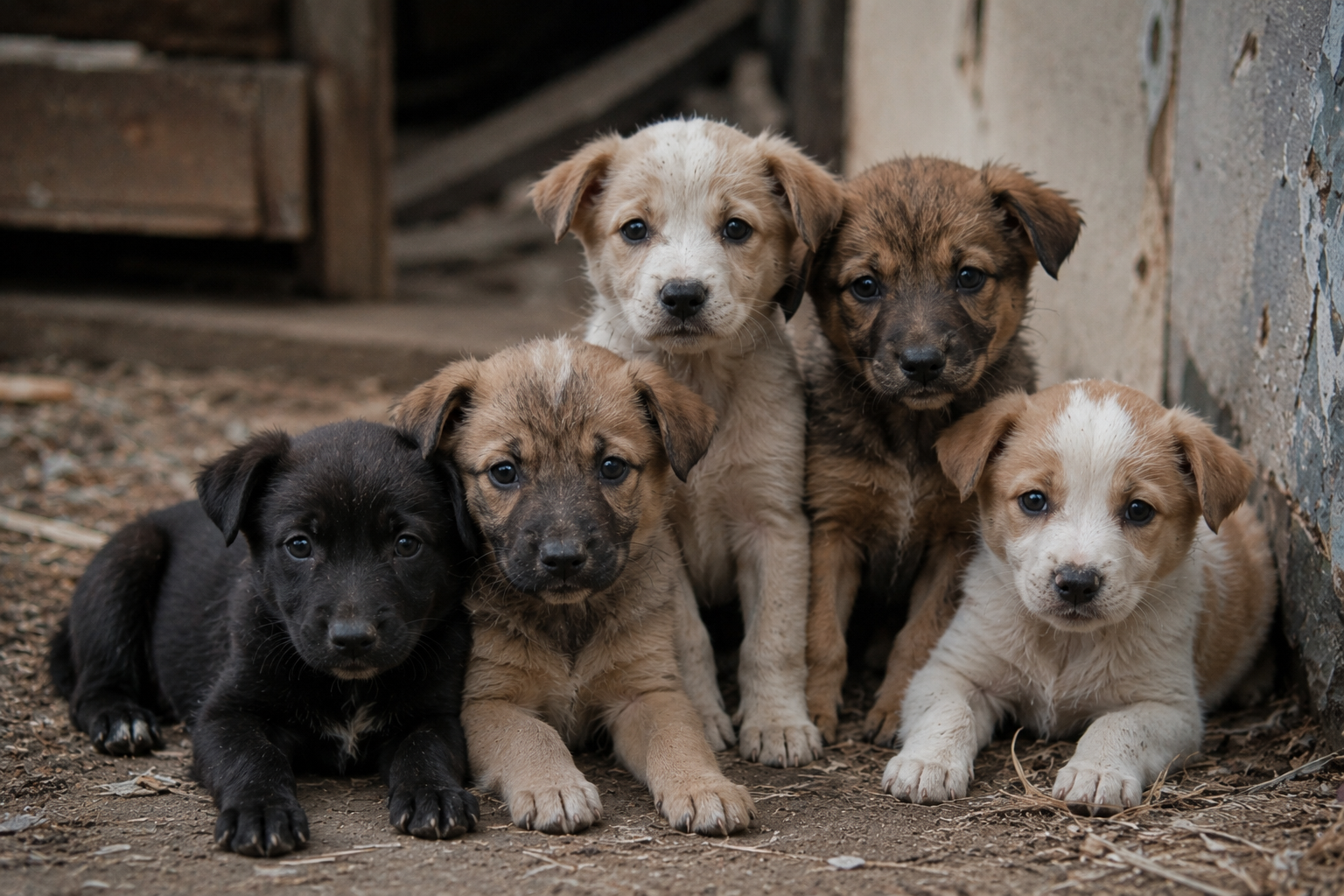
“Puppies need homes ASAP.”
“Accidental litter.”
The photos are cute. The intentions are usually good. The problem is what happens next.
Because free kittens and puppies do not stop with one litter.
They often become the beginning of many more.
One unspayed female cat and her offspring can produce staggering numbers of cats over time, 370,000. Female cats can have multiple litters each year, often with several kittens per litter.
And while dogs reproduce more slowly than cats, the cycle is still devastating when puppies are given away unaltered.
What starts as “just finding homes” quietly fuels the exact crisis shelters and rescues are drowning in every day.
Across the United States, millions of dogs and cats enter shelters annually. Hundreds of thousands are still euthanized each year, and overcrowding remains a major issue.
That is the reality behind the “free to good home” sign.
What Actually Happens to Many Free Animals?
Some absolutely do land in loving homes.
But many do not
Some are passed from home to home when they become “too much work.”
Some are abandoned outdoors once they are no longer tiny and cute.
Some are surrendered to already-overcrowded shelters.
Some are never spayed or neutered and produce more litters.
Some become strays.
Some disappear into neglect situations, hoarding situations, or backyard breeding.
And some never survive the cycle.
Shelters across the country continue to report overcrowding crises, especially during kitten season. One South Carolina shelter reported having over 600 kittens in its system while only having space for a fraction of that number.
Think about that for a moment.
Hundreds of kittens needing food, medical care, space, foster homes, cleaning, vaccines, and adopters... all at the same time.
Now multiply that by shelters and rescues across the country.
“But At Least They Found Homes”
Finding homes is important.
Preventing the next litter is even more important.
When puppies and kittens are given away without being spayed or neutered, the problem compounds almost immediately. A “free kitten” today can become multiple litters within a year. A “free puppy” can eventually create more puppies who also go unaltered.
This creates a painful domino effect:
More litters → more strays → more shelter crowding → fewer resources → harder adoption odds for every animal already waiting.
Even wonderful adopters often cannot afford unexpected veterinary care or spay/neuter surgery later. Life changes. People move. Jobs are lost. Housing restrictions happen.
And the animals pay the price.
The Quiet Victims: Shelter Animals Already Waiting
Every time an accidental litter is born, it competes for the same limited homes as the animals already sitting in shelters and rescues.
The senior dog who lost their owner.
The shy cat overlooked for months.
The medical case needing surgery.
The black kitten nobody notices because there are 200 others.
Overcrowding does not just strain buildings. It strains foster homes, volunteers, veterinarians, rescue groups, budgets, and adopters.
It stretches compassion until people burn out.
Spay and Neuter Changes the Entire Story
This is why spay/neuter matters so deeply.
Not because people are bad.
Not because someone had an accidental litter.
But because prevention is the only long-term solution powerful enough to slow the cycle.
Studies and shelter data continue to show that widespread spay/neuter efforts reduce shelter intake and help save lives. (sciencedirect.com)
Spay/neuter is not “doing less” for animals.
It is doing the most important thing possible for the future animals who would otherwise suffer.
Every animal fixed today prevents suffering tomorrow.
Every surgery prevents future homelessness.
Every prevented litter reduces pressure on shelters, rescues, and foster homes already operating at the edge.
What Can We Do Instead?
Instead of posting “free kittens” or “free puppies,” we can:
Spay and neuter pets before accidental litters happen
Help families access low-cost spay/neuter programs
Foster animals already in shelters
Adopt instead of supporting breeding
Educate kindly, not judgmentally
Support organizations working on prevention, not just response
Spread the word about PennyFix and the importance of nationwide spay/neuter efforts
Donate to PennyFix so more families can access affordable spay/neuter services
Encourage pet food companies to become part of the solution by adding just one extra penny to every bag or can of dog and cat food sold to help fund spay/neuter programs through PennyFix
Talk about spay/neuter with friends, family, rescues, veterinarians, shelters, and local leaders so prevention becomes a normal part of the conversation
Because rescue alone can never outrun reproduction.
But spay/neuter can finally begin to slow the flood.
At PennyFix, we believe the most compassionate future for dogs and cats is not one where shelters get bigger.
It is one where fewer animals ever need shelters in the first place.
