

The Most Expensive Puppy or Kitten…
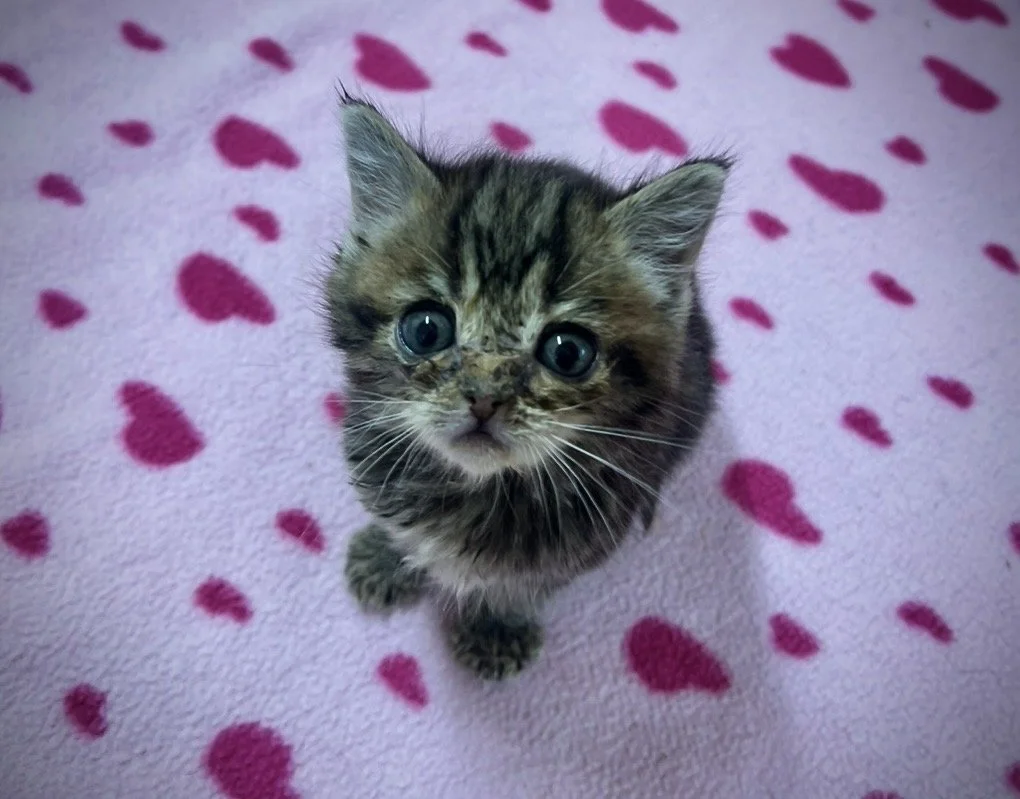
How one unfixed dog or cat creates costs that ripple through an entire community.
Most people think of spaying and neutering as an animal welfare issue.
And it is.
But it's also an economic issue.
Every time a dog or cat remains unaltered, there's a chance that an unplanned litter will follow. When that happens, the costs don't just affect the owner. They spread outward—to shelters, rescue groups, taxpayers, animal control departments, veterinarians, and entire communities.
In other words:
The most expensive puppy isn't the one purchased from a breeder.
It's the one nobody planned for.
The Cost Starts Small
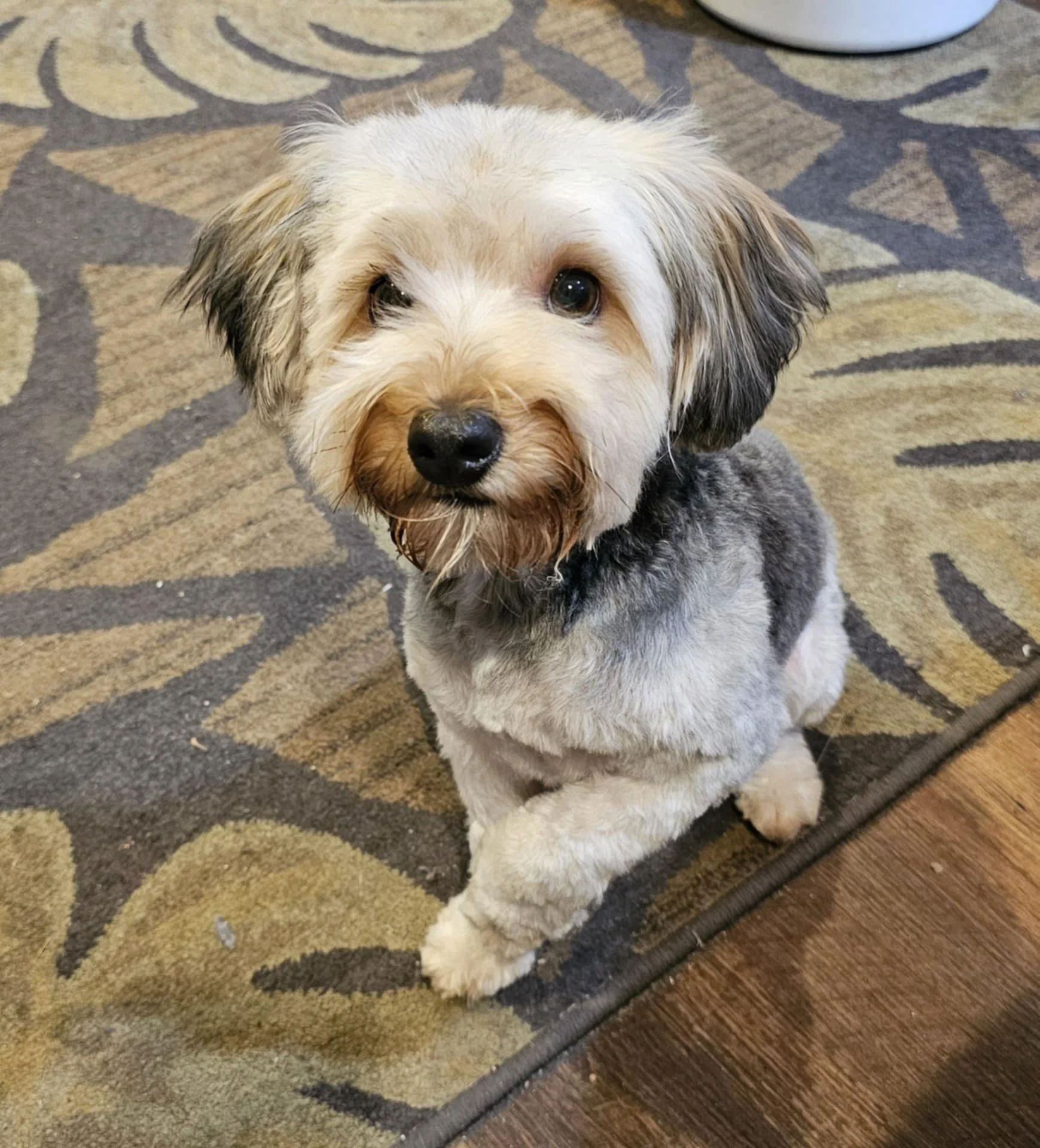
Imagine a family has a female dog.
They intend to get her spayed eventually.
Life gets busy.
The surgery gets postponed.
Then one day she slips through a gate, meets an intact male dog, and suddenly there are eight puppies.
The family didn't plan for it.
And now there are even more unknowns.
What breed was the other dog?
What health history did he have?
What kind of temperament did he carry?
Will the puppies inherit medical or behavioral issues no one expected?
And if the family even knows whose dog it was, that male dog's owner is unlikely to help cover any of the costs.
But now someone has to pay for:
Food
Vaccinations
Deworming
Veterinary care
Housing
Adoption efforts
Even when families do their best, finding responsible homes for every puppy isn't always easy.
And that's only one litter.
When Animals Enter the Shelter System
If those puppies or kittens aren't placed successfully, many eventually enter the shelter system.
Once there, costs rise dramatically.
Shelters must provide:
Food
Medical care
Vaccinations
Staff time
Cleaning supplies
Housing space
Behavioral support
Adoption marketing
Every animal that enters a shelter requires resources.
The longer they stay, the more expensive their care becomes.
And when shelters are full, difficult decisions follow.
Rescue Groups and Shelters Fight for Space Every Day
Animal shelters and rescue organizations across the country are constantly balancing one painful reality:
There are more animals needing help than there are spaces available.
Every kennel filled by an accidental litter is a kennel that may not be available for:
A dog abandoned after a move
A senior pet whose owner passed away
An injured stray needing emergency care
A neglected animal rescued from cruelty
A cat or dog already waiting weeks — or months — for adoption
Many shelters operate at or beyond capacity for much of the year.
Rescue groups scramble to find foster homes, often pleading on social media for just one more family willing to help.
Staff members and volunteers work tirelessly trying to create space where none exists.
And when there simply isn't enough room, heartbreaking decisions follow.
This is one of the hidden consequences of unplanned litters.
Every preventable birth increases pressure on a system already struggling to keep up.
Spay and neuter programs don't just reduce population growth.
They create breathing room.
They allow shelters and rescues to focus resources on the animals already here — the injured, abandoned, abused, neglected, and homeless pets who desperately need a second chance.
Rescue Groups Feel the Pressure Too
Many people assume rescues have unlimited resources.
They don't.
Most rescue organizations operate on donations and volunteers.
When litters arrive, rescues often face impossible choices:
Do they take in another pregnant cat?
Another litter of puppies?
Another box of abandoned kittens?
Every new intake requires money, foster homes, and veterinary care.
The more preventable litters that exist, the harder it becomes for rescues to help the animals already waiting.
Communities Pay the Price
Animal overpopulation affects more than shelters.
Municipalities spend millions every year on:
Animal control services
Shelter operations
Emergency veterinary care
Public safety programs
Investigation of cruelty and neglect cases
Taxpayer dollars often help fund these services.
That means even people who don't own pets are affected by animal overpopulation.
The costs become everyone's costs.
The Math Nobody Talks About
A spay or neuter surgery may cost anywhere from a few dozen dollars at a low-cost clinic to a few hundred dollars at a private veterinary practice.
At first glance, some people see that price and hesitate.
But compare it to the cost of:
Feeding a litter for several months
Vaccinating multiple animals
Housing animals in shelters
Treating illness and injury
Supporting rescue operations
Suddenly the surgery looks like one of the best investments available.
Prevention is almost always less expensive than managing the consequences.
The Humane Solution Is Also the Smart Solution
This is why organizations across the country continue to invest in spay and neuter programs.
Not because it's easy.
Not because it's glamorous.
But because it works.
One surgery can prevent years of future costs and generations of unwanted litters.
Every animal altered today reduces the burden on shelters tomorrow.
Every surgery creates room for resources to be directed toward animals who truly need help.
Where PennyFix Fits In
At PennyFix, we often say we're not just funding surgeries.
We're funding prevention.
Every grant we provide helps organizations stop overpopulation before it starts.
That means fewer animals entering shelters.
Fewer litters struggling to survive.
Fewer rescue groups stretched beyond capacity.
And fewer taxpayer dollars spent managing a problem that could have been prevented.
The solution isn't bigger shelters.
The solution isn't more cages.
The solution is fewer animals needing them in the first place.
A Penny Today Saves Dollars Tomorrow
Our vision has always been simple:
Imagine if every can of pet food sold in America included just one extra penny dedicated to spay and neuter programs.
One penny sounds insignificant.
But prevention always starts small.
A single surgery can prevent hundreds of future births.
A single grant can alter dozens of animals.
And a single penny, multiplied millions of times, could create a sustainable future where fewer dogs and cats suffer because there are simply too many of them.
Right now, many of the costs associated with animal overpopulation eventually fall on taxpayers through shelter funding, animal control services, emergency response, and municipal care programs — including people who may not even own pets.
PennyFix offers a different solution.
Instead of relying on taxpayers to absorb the growing financial burden of animal overpopulation, the funding comes directly from the people purchasing pet food through a simple one-cent contribution.
That means non-pet owners are no longer indirectly paying for a problem they didn't create, while communities still benefit from lower shelter populations, reduced animal control costs, and fewer homeless animals suffering on the streets.
The most expensive puppy is the one nobody planned for.
The most affordable solution is preventing that litter from happening at all.
And that's exactly what PennyFix exists to do.
