

“I Need to Surrender My Pet.”
Before You Say No,
Ask One More Question.
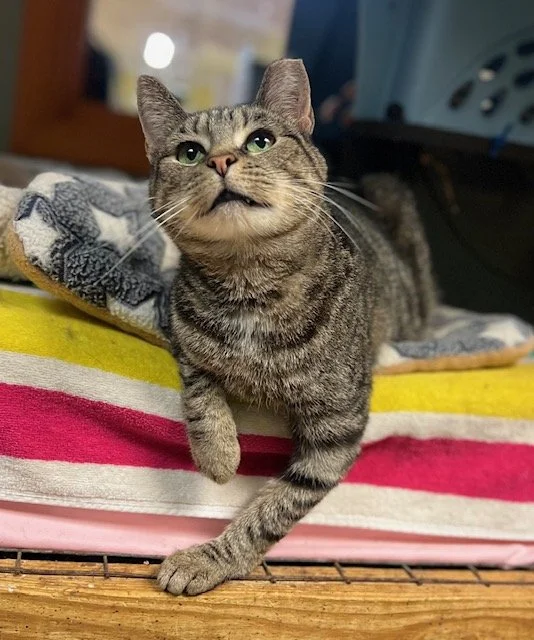
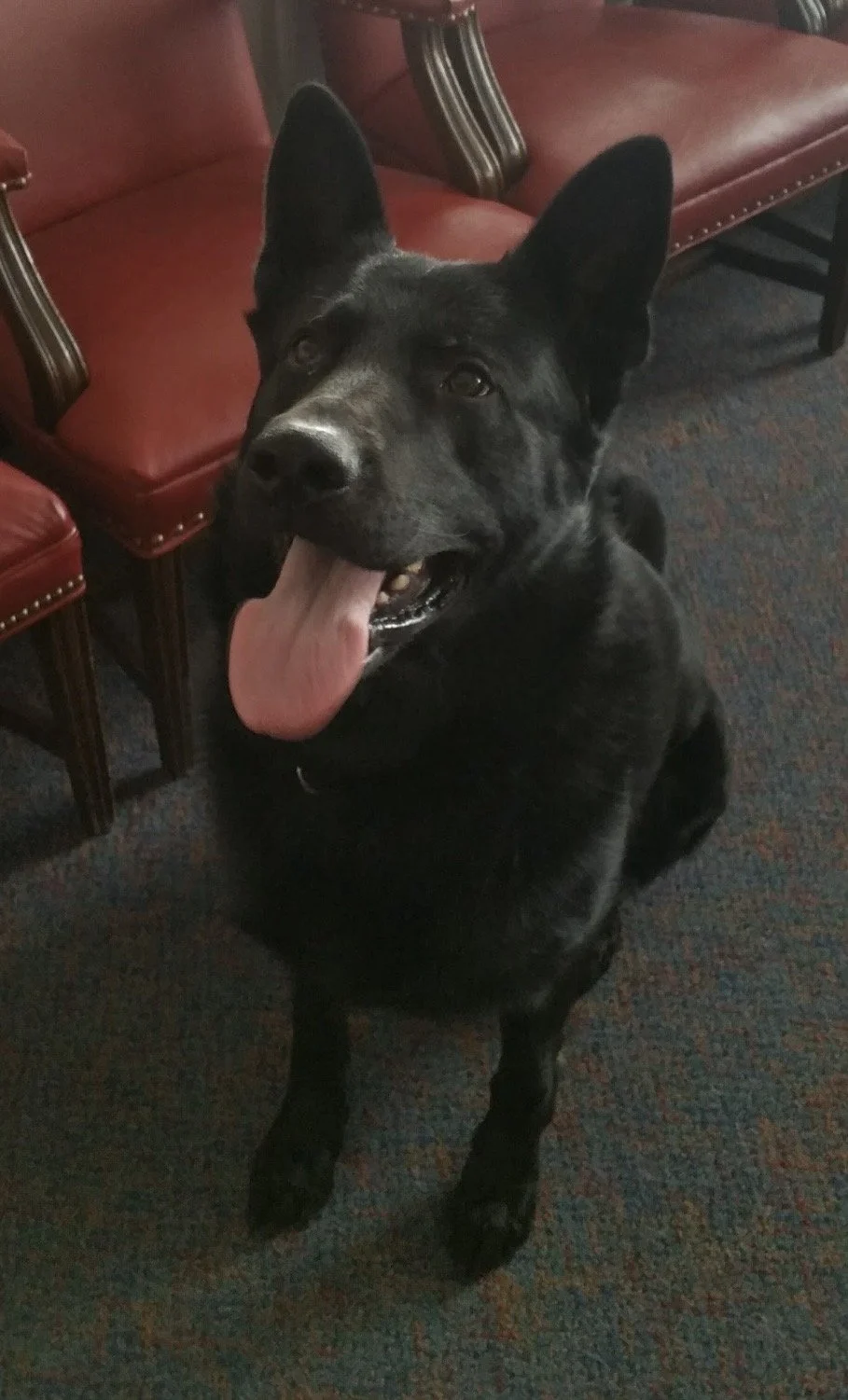
“I need to surrender my dog.”
“I can’t keep my cat anymore.”
For shelters and rescues already stretched beyond capacity, those words can be difficult to hear. Kennels are full. Foster homes are full. Volunteers are exhausted. Money is tight.
Sometimes there simply is nowhere to put another animal.
So the answer has to be:
“We’re full. We can’t take them.”
But maybe those don’t have to be the last words of the conversation.
Because “I need to surrender my pet” does not always mean “I don’t want my pet anymore.”
Sometimes it means:
I don’t know what else to do.
And those are two very different things.
Before Asking Who Can Take the Animal, Ask Why
What if the first question were:
“What would need to change for you to be able to keep your pet?”
Maybe someone lost a job and needs pet food until payday. Maybe they can’t afford a spay or neuter surgery, veterinary care, or medication. Maybe their dog has developed a behavior problem. Maybe someone is recovering from surgery and temporarily can’t walk their dog. Maybe they need help with a pet deposit, transportation to a veterinarian, temporary foster care during a hospitalization, or simply a crate or litter box.
These are problems, and some problems have solutions.
A bag of food. A low-cost veterinary appointment. A trainer. A dog walker. A ride. Temporary foster care. Help finding pet-friendly housing. A spay or neuter surgery.
Sometimes a relatively small amount of help can keep an animal in the home it already knows and leave precious shelter space available for an animal that truly has nowhere else to go.
Sometimes you don’t have to take the animal to save the animal.
But Sometimes Surrender Really Is Necessary
Not every surrender can be prevented.
Sometimes an owner dies. Housing is lost. Health or family circumstances change. There may be serious safety issues between animals in a home. Sometimes keeping the animal simply is no longer possible.
So the owner starts calling.
One shelter is full.
Another isn’t accepting owner surrenders.
A rescue has no foster homes.
Another doesn’t respond.
Then someone tells them, “Call the humane society.”
Already did.
“Try a rescue.”
Already called twelve.
“Don’t abandon your animal!”
They know.
Abandonment is not the answer. But the problem doesn’t disappear because every organization had to say no.
So where does that person go next?
What If Every “No” Came With a “But”?
Shelters and rescues cannot create space that doesn’t exist, and they shouldn’t be blamed when they genuinely cannot take another animal.
But perhaps we can create communities where “no” doesn’t mean the end of the help.
“No, we can’t take your dog, but here are some other options.”
“No, we don’t have a foster, but send us a photo and description and maybe we can share your post.”
“No, we can’t take your cat, but here are some resources that may help you safely find her next home.”
Sometimes no really does have to be the answer.
But no doesn’t have to be the end of the conversation.
When Every Door Says No
If you truly cannot keep your animal and shelters and rescues cannot accept them, stop asking only:
“Who can take my pet?”
Also ask:
“Who can help me find my pet’s next home?”
Start with your veterinarian. Ask whether staff know a client looking for an animal like yours, whether you can post a rehoming flyer, and get copies of the animal’s medical records.
Ask shelters and rescues about a courtesy post. They may not have room for the animal, but they may be willing to share the animal with their followers while the pet remains with you.
Look into reputable owner-to-owner rehoming programs, where an animal can remain in its current home while potential adopters are found and screened.
Contact breed-specific rescues. Even if they cannot accept the animal, they may be willing to share the animal with an audience already interested in that breed.
Ask groomers, trainers, boarding kennels, doggie daycares, pet sitters, pet-supply businesses and veterinary offices. They work with pet owners every day and may know someone looking to adopt or allow you to post a flyer.
Use your own community: friends, family, coworkers, neighbors, churches, community organizations and local social-media groups. You may not know the person looking for an animal like yours, but someone you know might.
If time is the problem, ask about a temporary foster. A friend, relative, coworker or community member who can keep an animal for a few weeks may provide enough time to find the right permanent home.
And expand your search beyond your immediate town. The right home may be an hour or two away.
How We Talk About Rehoming Matters
One of our volunteers puts it perfectly:
“Don’t ever post that you want to ‘get rid of’ an animal. You get rid of headaches and trash. You don’t get rid of animals.”
Words matter.
You aren’t trying to dispose of something. You are trying to find a living, feeling animal a safe new home.
So tell their story.
Use good photographs. Include their age, personality, energy level, house-training status, medical needs, and experience with children, dogs or cats. Explain honestly why you need to rehome them and what type of home would suit them best.
Whenever possible, make sure veterinary care is current and spay or neuter before rehoming.
And never hide medical or behavioral problems simply because you are afraid someone won’t take the animal.
Finding a Home Isn’t the Same as Finding a Safe Home
Desperation can make the first person who says “I’ll take them” feel like an answer.
Slow down.
Ask where the animal will live. Does the landlord allow pets? Who lives in the household? Are there other animals? Do they have a veterinarian? What happened to previous pets? Why do they want this particular animal? What are they expecting from them?
Verify information when possible and use a written adoption or transfer agreement.
The goal isn’t simply to make the animal gone.
The goal is to make the animal safe.
Sometimes Prevention Is Rescue
We tend to picture animal rescue as removing an animal from a bad situation.
But sometimes rescue means preventing that situation from happening at all.
It can be buying a bag of pet food. Paying for a spay or neuter surgery. Sharing an adoption post. Finding a trainer. Giving someone a ride to the veterinarian. Walking an elderly neighbor’s dog. Temporarily fostering a cat while someone is hospitalized. Helping someone find pet-friendly housing.
Those acts may never produce dramatic before-and-after photographs.
But an animal stayed safe.
That counts.
And this is bigger than shelters and rescues. Veterinarians, municipalities, churches, businesses, food pantries, community organizations and ordinary neighbors can all become part of the safety net.
Imagine if pet food pantries were easy to find. If municipalities maintained current animal-resource lists. If more veterinary offices, shelters and rescues offered rehoming boards or courtesy posts. If communities developed temporary foster networks for emergencies. If low-cost veterinary care and spay/neuter resources were widely known.
And imagine if every person asking for help encountered just one person willing to ask:
“What do you actually need?”
If the answer is something that could keep the animal home, perhaps we can help find it.
And if the answer is:
“Nothing can change this. I truly cannot keep my pet.”
Then the question becomes:
“How can we help you find their next home?”
Keep them home when we can.
Rehome them safely when we can’t.
And when someone has to say no, perhaps we can help them find the next door to knock on.
Because sometimes the best shelter placement is the one that never has to happen.
And sometimes:
You don’t have to take the animal to save the animal.
PennyFix believes prevention is one of the most powerful forms of animal rescue. By supporting spay and neuter programs, we work to prevent unwanted litters before more animals are left searching for homes that may not exist.
