

Kitten Season 2026: Why Early Spay & Neuter Matters More Than Ever
Kitten season begins each spring when cats reproduce rapidly, often overwhelming shelters, rescues, and community cat caretakers. Early spay and neuter programs, and support for Trap-Neuter-Return efforts, are critical to preventing pet overpopulation.
Every spring, animal shelters, rescue organizations, veterinarians, and community cat trappers prepare for a surge they know all too well: kitten season.
Animal welfare experts estimate that a single unspayed female cat and her offspring can produce as many as 370,000 cats in just seven years if not spayed or neutered. That breaks down to more than 52,000 kittens born every year—starting with just one cat and her litters.
It’s a staggering reminder of how quickly cat populations can grow.
As the first day of spring approaches on March 20, 2026, longer daylight hours and warmer temperatures trigger cats to go into heat more frequently. The result is a surge of kittens entering shelters, rescues, foster homes—and outdoor colonies cared for by community cat trappers.
For many people, kittens symbolize the joy of spring. But for the people working to protect animals, kitten season often means overcrowded shelters, stretched resources, and thousands of vulnerable animals needing help.
At PennyFix, we see kitten season as more than a seasonal challenge. It’s a reminder that spaying and neutering pets early and consistently is one of the most effective ways to prevent animal suffering before it begins.
What Is Kitten Season?
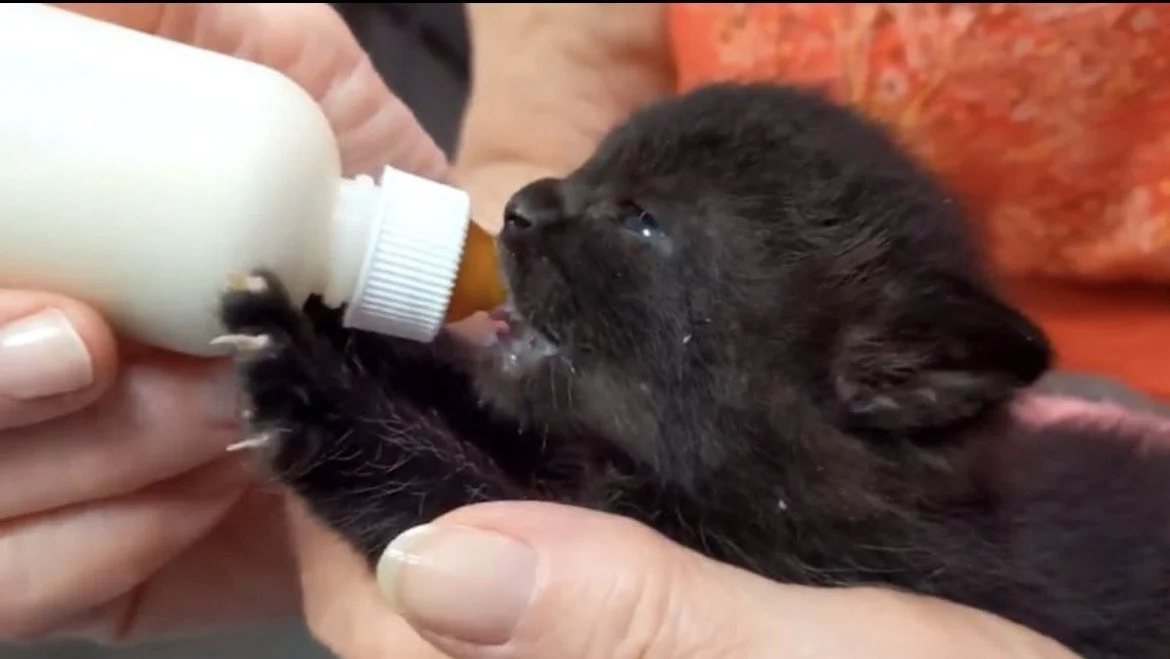
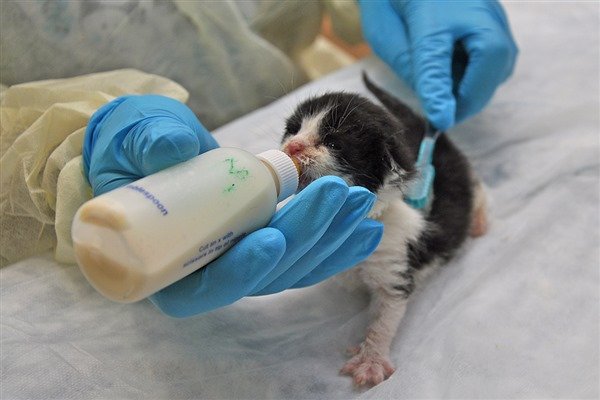
Kitten season is the time of year when cats reproduce most rapidly, leading to a dramatic increase in kitten births.
In many parts of the United States, kitten season begins in early spring and can continue through late fall, especially when warm temperatures extend into autumn.
During this time:
Female cats go into heat more often
Pregnancies increase rapidly
Shelters and rescues see a surge of newborn kittens
For animal welfare organizations, kitten season often means:
Overcrowded kitten nurseries
Increased veterinary costs
A desperate need for foster homes
Limited resources stretched thin
The good news is that this crisis is preventable.
The Kitten Population Explosion: How Fast Cats Multiply
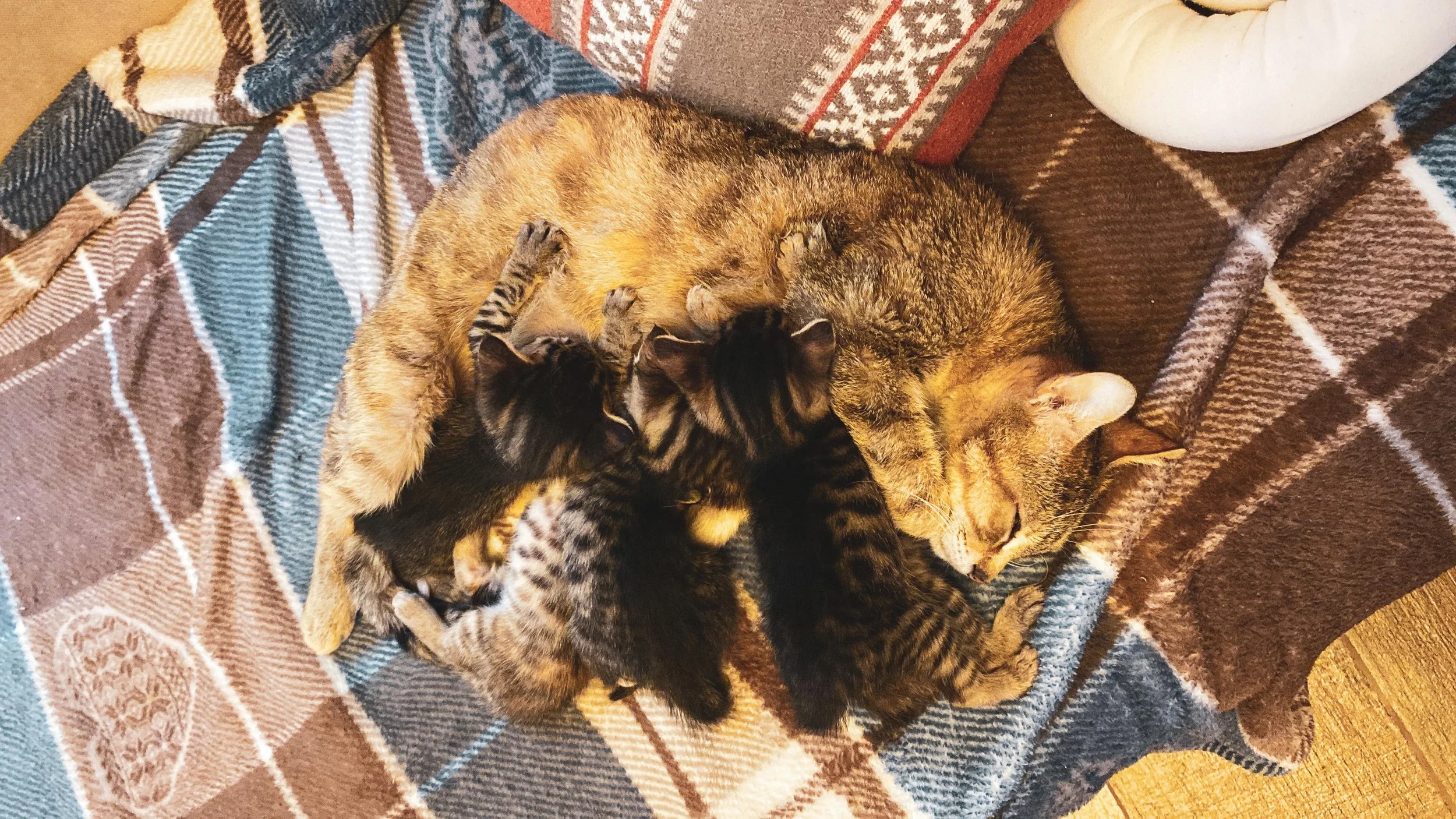
To understand why kitten season can overwhelm shelters so quickly, it helps to see how fast cat populations grow without spay and neuter programs.
Year 1
One unspayed female cat may have 2–3 litters, with 4–6 kittens per litter.
Year 2
Those kittens reach reproductive age at 4–5 months old, and many begin having litters of their own.
Year 3–4
Multiple generations reproduce at the same time, causing the population to grow rapidly.
Year 7
Without spay and neuter intervention, the original cat and her descendants can produce as many as 370,000 cats.
What started with one cat quickly becomes thousands—and eventually hundreds of thousands.
This is why early spay and neuter matters so much.
The Hidden Heroes of Kitten Season: TNR Trappers
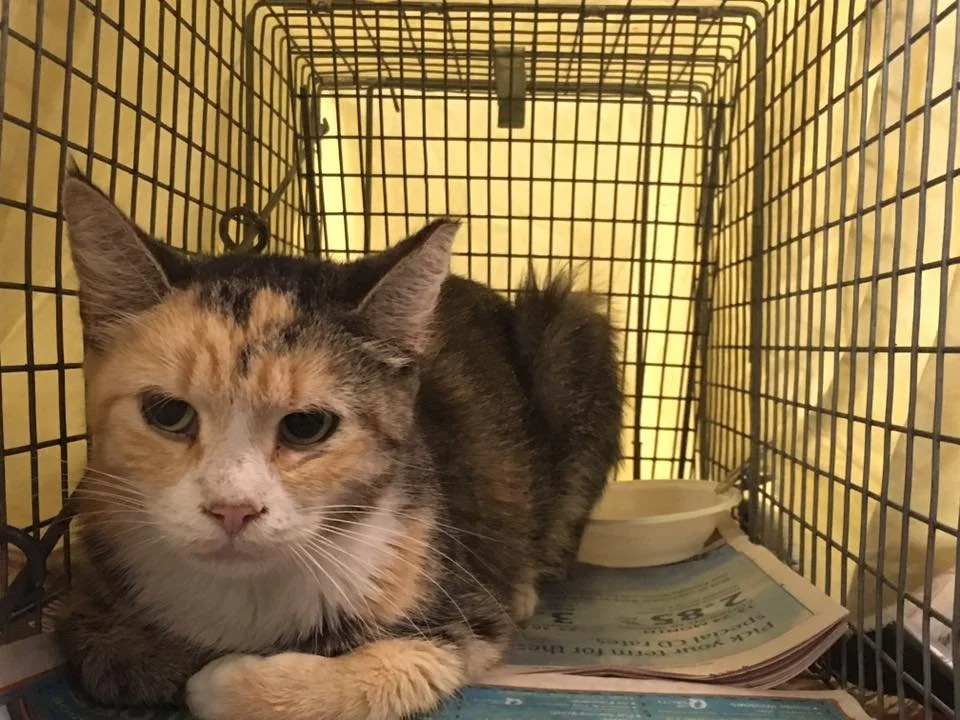
When people think about kitten season, they often picture shelters and rescues. But another group is quietly preparing behind the scenes: community cat trappers and Trap-Neuter-Return (TNR) volunteers.
Across neighborhoods, farms, and city streets, these dedicated individuals prepare humane traps, coordinate veterinary appointments, and care for outdoor cat colonies.
Their goal is simple but critical:
Prevent litters before they are born.
TNR programs work by:
Humanely trapping community cats
Spaying or neutering them
Vaccinating them
Returning them safely to their territory
This humane approach:
Stops future litters
Stabilizes cat populations
Reduces shelter overcrowding
Improves the health of outdoor cats
But this work requires funding for surgeries, vaccines, and veterinary care—resources that are often limited.
That’s where PennyFix grants help organizations continue this lifesaving work.
Why Early Spay & Neuter Saves Lives
One of the most effective ways to reduce kitten overpopulation is early spay and neuter.
Veterinarians widely support pediatric spay and neuter procedures, meaning kittens can safely be altered as early as 8–12 weeks old once they reach the appropriate weight.
Early spay and neuter helps:
Prevent the first litter entirely
Reduce roaming and mating behaviors
Improve long-term health outcomes
Stop the reproduction cycle before it begins
Every surgery helps prevent dozens, or even hundreds, of future kittens from being born into uncertain conditions.
Do Puppy Births Increase in Spring?

While kitten season receives the most attention, puppy births can also increase during the spring and summer months.
Warmer weather often means:
More dogs spending time outdoors
Greater opportunities for unaltered dogs to mate
An increase in pregnant dogs entering shelters
Dogs do not reproduce as rapidly as cats, but spaying and neutering dogs remains essential for reducing pet overpopulation.
The PennyFix Solution: A Penny That Saves Lives
Kitten season does not have to overwhelm communities every year.
The solution is clear:
Fix pets early. Fix them consistently. Fix as many as possible.
PennyFix was created to help build sustainable funding for spay and neuter programs across the country.
Imagine the impact if every can of pet food included just one penny dedicated to spay and neuter programs.
That single penny could help fund:
Surgeries for homeless and owned cats and dogs
Prevention of thousands of unwanted litters
Relief for overcrowded shelters
Support for TNR programs and trappers
A future where fewer animals suffer on the streets
Sometimes the smallest change can create the biggest ripple effect.
While PennyFix continues working toward partnerships with pet food companies to make this vision a reality, generous donors have already made it possible for PennyFix to begin awarding grants to organizations providing vital spay and neuter services. Their support is helping prevent countless litters and making a real difference for animals today.
How You Can Help During Kitten Season
You can make a difference:
✔️ Spay or neuter your pets
✔️ Support local spay/neuter clinics
✔️ Help community cat trappers and TNR programs
✔️ Foster kittens for rescue organizations
✔️ Donate to PennyFix
Together, shelters, rescues, veterinarians, trappers, and compassionate communities can turn kitten season from a crisis into a turning point for animal welfare.
Kitten Season FAQ
When is kitten season?
Kitten season typically begins in early spring and can continue through late fall, depending on local temperatures.
Why is kitten season such a challenge for shelters?
Cats reproduce quickly, and many kittens are born within a short period of time, overwhelming shelter resources.
What is Trap-Neuter-Return (TNR)?
TNR is a humane program that traps community cats, spays or neuters them, vaccinates them, and returns them to their outdoor homes.
At what age can kittens be spayed or neutered?
Kittens can safely be spayed or neutered as early as 8–12 weeks old once they reach the recommended weight.
How can I help during kitten season?
Spay or neuter your pets, support local clinics, foster kittens, help TNR groups, and donate to PennyFix.
