

A PennyFix Revisit
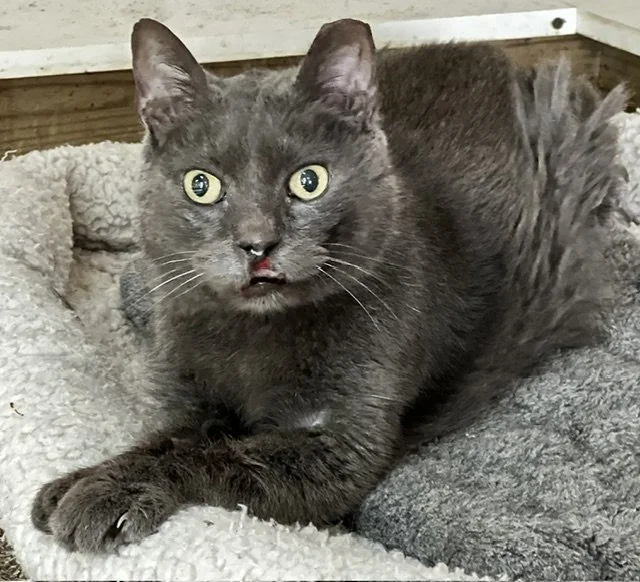
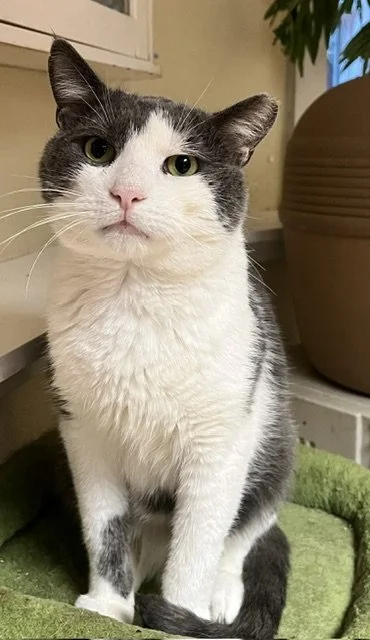
We've talked before about ear-tipping: what it is, why it's done, and why that tiny missing piece of an ear carries such an important message.
But there's another question worth answering.
What should you actually do when you see an ear-tipped cat?
Maybe one appears on your porch. You spot one behind a restaurant. There's one crossing through your yard every evening. Your first instinct may be to help.
And we love that instinct.
But sometimes, the best way to help an ear-tipped cat is to understand what that ear is already telling you.
First: That Cat Has Already Had Someone Looking Out for Them
An ear tip is generally associated with Trap-Neuter-Return, or TNR. The cat was humanely trapped, spayed or neutered, and then returned to its outdoor home. Vaccination is also commonly part of TNR programs.
So when you see that distinctive ear, you're not necessarily looking at a cat who has been forgotten.
You may be looking at a community cat who is exactly where they are supposed to be.
That's an important distinction.
Does an Ear-Tipped Cat Need to Be Rescued?
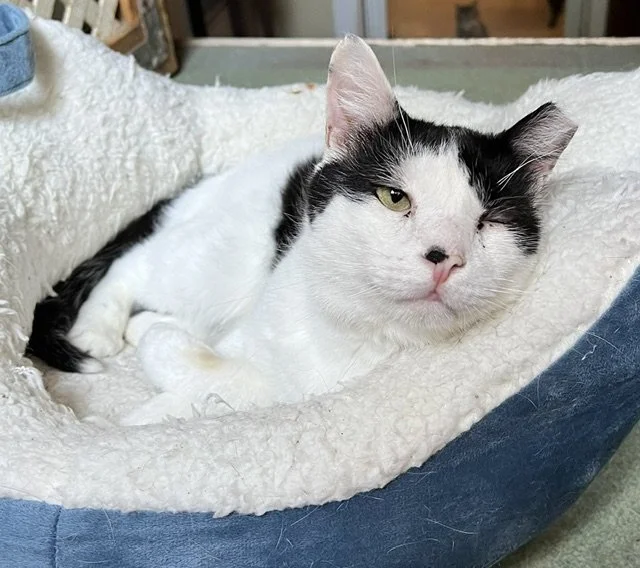
Not simply because they're outside.
Some cats live very different lives from the cats curled up on our couches. Community cats may have established territory, food sources, shelter and caretakers watching over them.
A healthy ear-tipped cat who appears comfortable in their environment doesn't automatically need to be trapped, taken to a shelter or relocated.
In fact, removing a community cat from familiar territory isn't necessarily helping them.
So before assuming outside = homeless = needs rescuing, stop and observe.
Does the cat appear healthy?
Is their body condition good?
Are they moving normally?
Do you regularly see food or shelters nearby?
Have neighbors seen the cat before?
You may discover there's an entire little support system operating quietly around that cat.
Should I Feed Them?
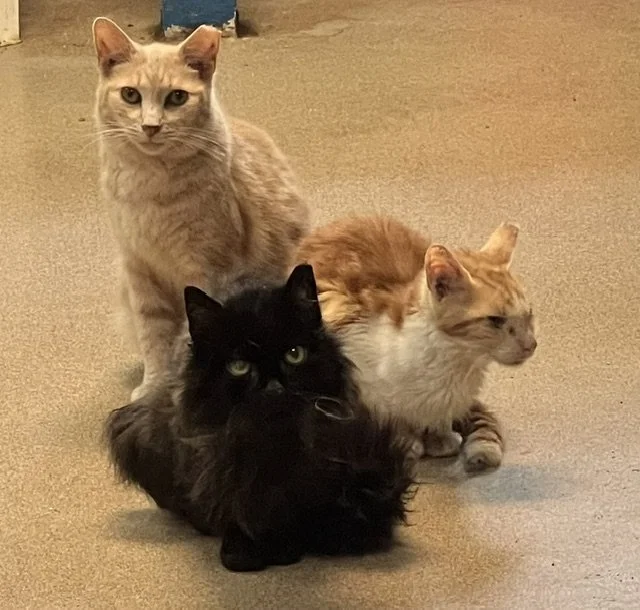
Maybe, but first see whether someone already is.
Community cats often have regular caretakers, even when you never see those people.
If a new cat starts visiting your property, ask around. A neighbor may immediately say, "That's George. He's been here for six years."
George, meanwhile, has apparently neglected to introduce himself.
If you decide to provide food, responsible feeding matters. Establishing a regular schedule, removing leftover food and keeping the area clean can help avoid attracting wildlife, insects and other unwanted visitors.
Fresh water is also enormously helpful, particularly during very hot or cold weather.
Should I Trap Them?
Not just because they're ear-tipped.
Actually, the ear tip is there partly to prevent exactly that.
It allows rescuers, caregivers and animal-control personnel to recognize from a distance that a community cat has already been sterilized. That means the cat doesn't have to endure another unnecessary trip through the trapping and surgical process.
There are, however, situations when an ear-tipped cat may need intervention.
When an Ear-Tipped Cat DOES Need Help
An ear tip doesn't make a cat invincible.
Pay attention if a cat is:
visibly injured or bleeding
limping severely or unable to walk normally
extremely thin or rapidly losing weight
struggling to breathe
unusually lethargic or unresponsive
showing obvious signs of serious illness
caught in something or otherwise in immediate danger
Those are very different circumstances from simply seeing a healthy cat outdoors.
If you're unsure, contacting a local rescue, TNR organization, community-cat group, animal control agency or veterinarian can help you decide what action is appropriate.
What If the Cat Is Friendly?
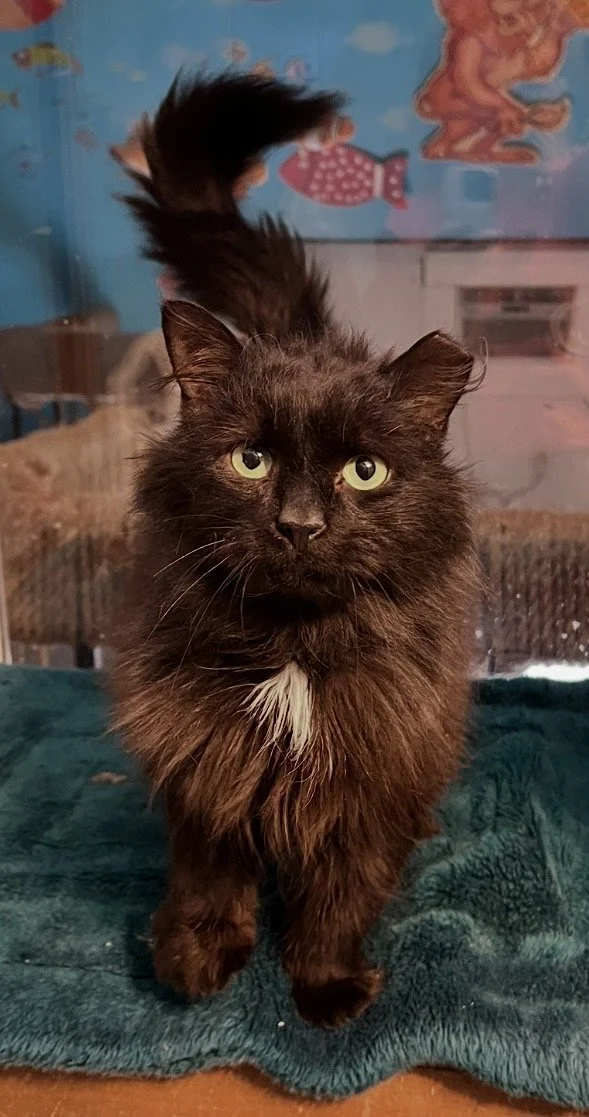
Now things get interesting.
An ear-tipped cat isn't automatically feral.
A previously socialized stray may have gone through a TNR program. Some community cats become comfortable with their caretakers over time. Occasionally, a friendly cat may even be a candidate for an indoor home.
So don't use the ear tip as a personality test.
Instead, look at the whole cat and the circumstances.
If a friendly ear-tipped cat suddenly appears and seems to be seeking people, it's reasonable to check whether someone is missing them. Ask neighbors, check local lost-pet resources, and have the cat scanned for a microchip if it can be done safely.
Ear-tipped doesn't necessarily mean unowned.
It means sterilization has already been addressed.
And What If the Cat ISN'T Ear-Tipped?
Now you've learned something else.
If you're regularly seeing a free-roaming cat without an ear tip, particularly if other cats are appearing in the same area, it may be worth finding out whether a TNR program is available in your community.
Because one unsterilized cat can become part of a much bigger problem surprisingly quickly.
This is where one person noticing one cat can make an enormous difference.
That Ear Is a Message. Learn to Hear It.
The first time you see an ear-tipped cat, you might see something missing.
Once you understand what it means, you see something entirely different.
Someone noticed this cat.
Someone took action.
This cat will not produce another litter.
And somewhere, because that surgery happened, kittens that might have been born outdoors won't be competing for food, entering already crowded shelters, becoming tomorrow's breeding adults, or continuing the cycle.
That's why PennyFix funds spay and neuter.
We provide grants to nonprofit organizations so they can pay for spay/neuter surgeries and vaccinations for dogs and cats. Because whether an animal sleeps on someone's bed or underneath someone's porch, preventing the next unwanted litter changes what happens tomorrow.
So the next time an ear-tipped cat strolls through your yard, don't immediately ask:
"Who is going to rescue that cat?"
First ask:
"Is this cat okay right where they are?"
Sometimes helping means stepping in.
Sometimes helping means providing food, water or shelter.
Sometimes helping means finding the person who's already caring for them.
And sometimes helping means simply recognizing that little ear tip and knowing:
This one has already been fixed. Now let's find the next one who hasn't.
[Read our post “What’s with the Tipped Ear?”]
